Food is one of the most powerful ways to connect with the world. It goes beyond hunger and becomes a way to explore cultures, traditions, and identities. Every country, region, and community has its own unique flavors that reflect its history and lifestyle. A journey of flavor and taste is not just about trying different dishes, but about discovering authentic flavors that carry meaning and depth.
In a world where global cuisines are more accessible than ever, discovering authentic food experiences has become easier. Whether through travel, cooking, or local restaurants, exploring food allows you to experience the richness of cultures without boundaries.
Understanding Authentic Flavors
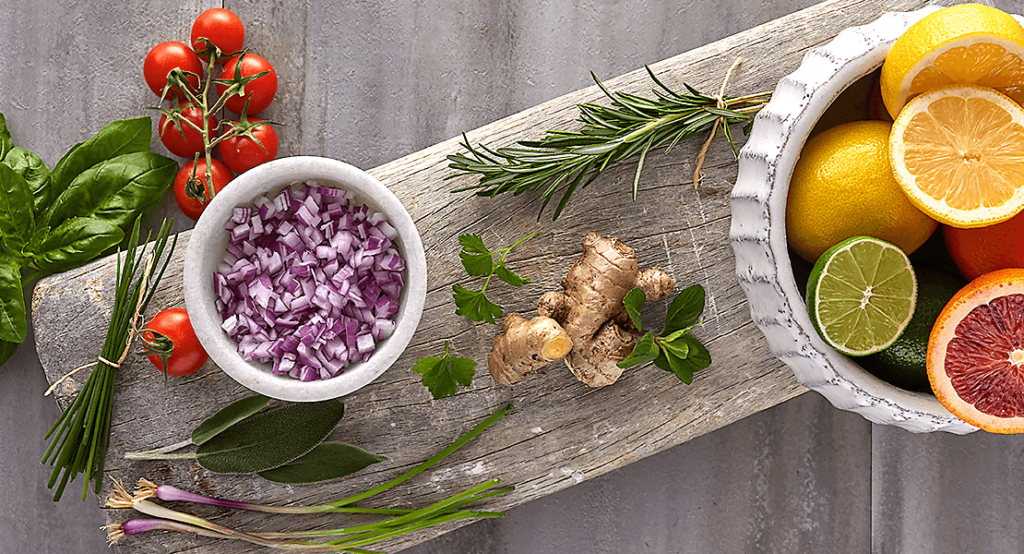
Authentic flavors are rooted in tradition. They are created using original recipes, local ingredients, and cooking techniques that have been passed down through generations. These flavors are not altered for trends or convenience; they remain true to their cultural origins.
When you experience authentic food, you are tasting something genuine. It reflects the environment, climate, and history of a place. From spices to cooking methods, everything contributes to the uniqueness of the dish. Understanding this authenticity helps you appreciate food on a deeper level.
The Cultural Significance of Food
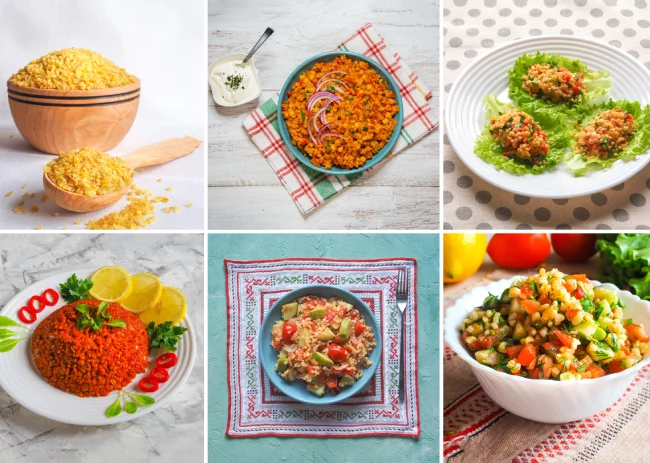
Food is closely tied to cultural identity. It represents traditions, celebrations, and everyday life. Many dishes are associated with festivals, family gatherings, and historical events. This connection makes food more than just a meal; it becomes a symbol of heritage.
Exploring authentic flavors allows you to understand how people live, what they value, and how they express themselves through food. It creates a connection that goes beyond language and geography.
Exploring Regional Cuisines
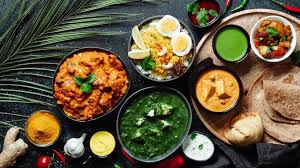
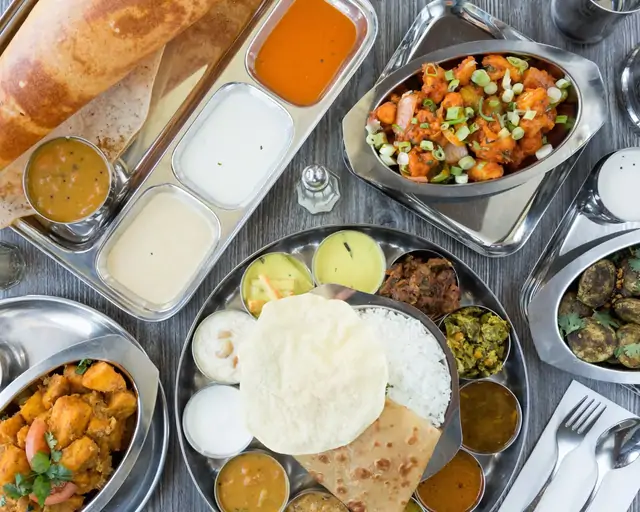
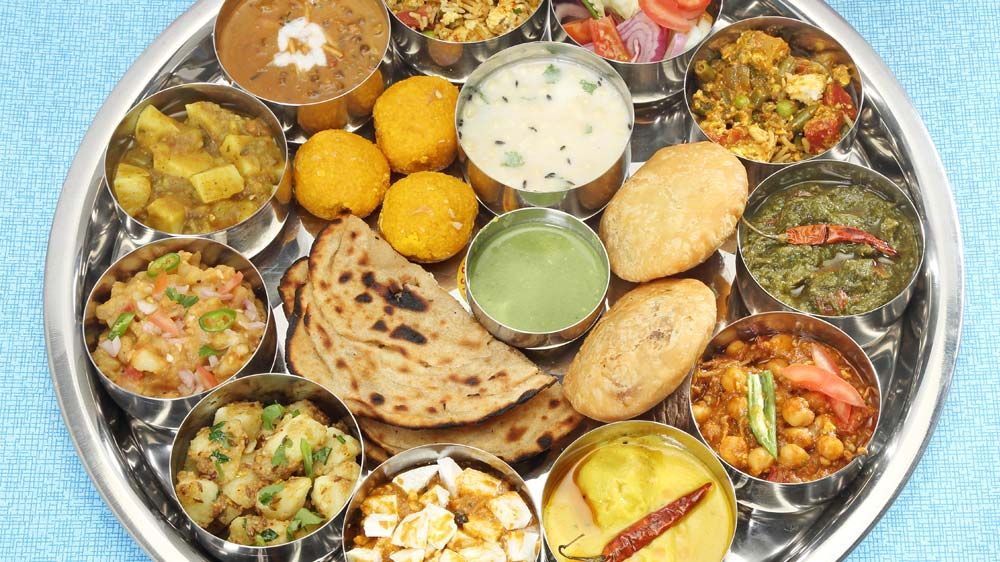
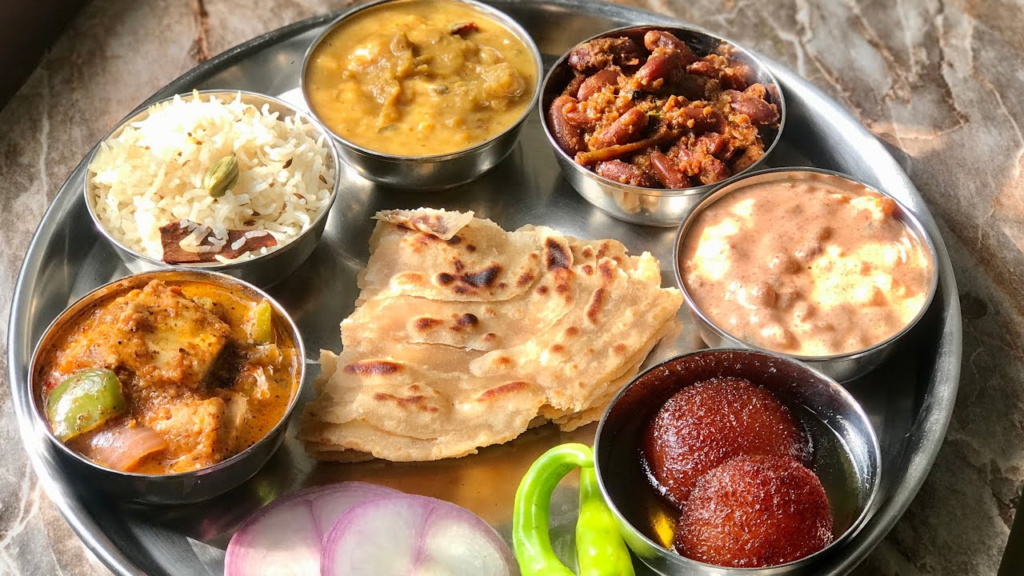
Every region has its own distinct culinary style. Even within a single country, flavors can vary significantly from one area to another. This diversity makes food exploration both exciting and endless.
Regional cuisines are influenced by local ingredients, climate, and cultural practices. Coastal areas often focus on seafood, while inland regions may rely on grains and vegetables. Understanding these differences helps you see how food adapts to its surroundings.
Trying regional dishes gives you a more accurate experience of authentic flavors. It allows you to explore the true essence of a place rather than a generalized version of its cuisine.
The Role of Traditional Cooking Methods
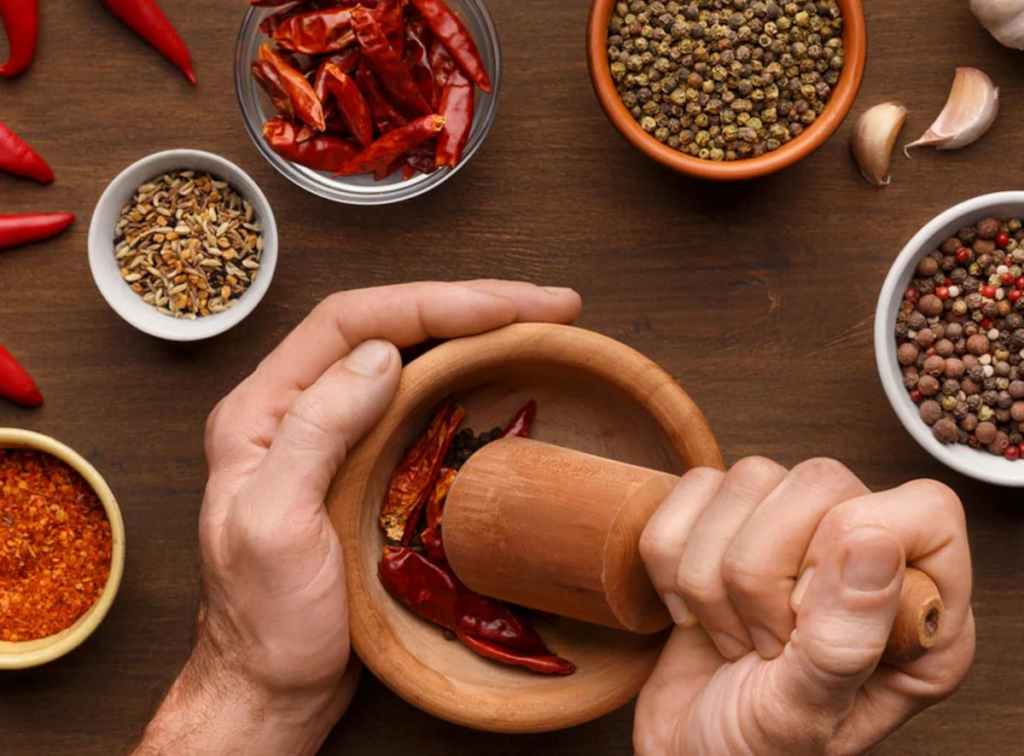
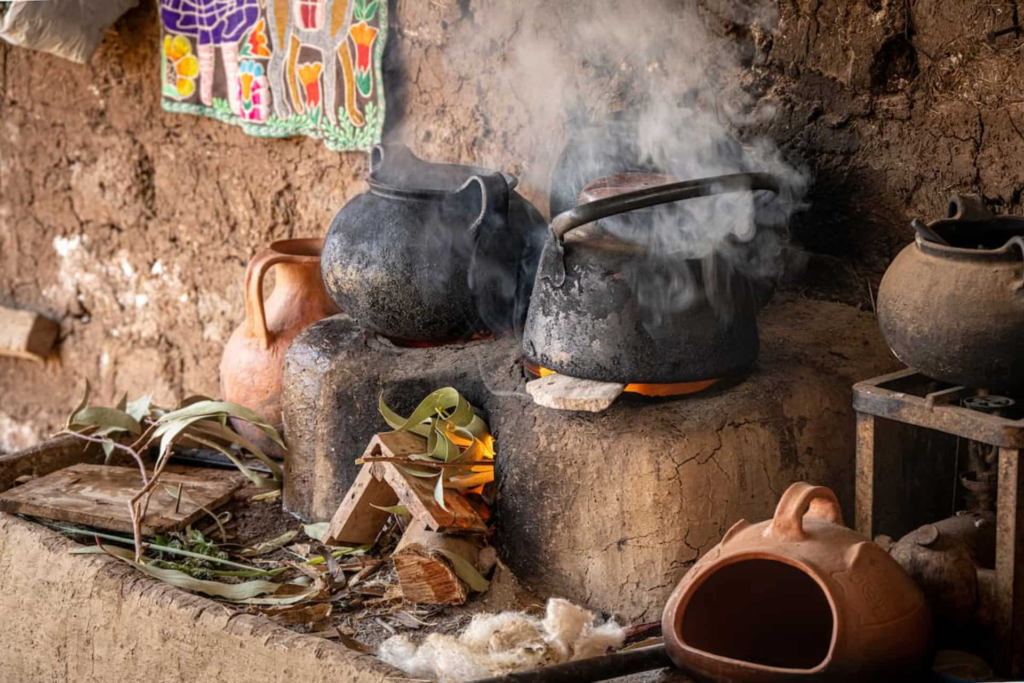
Cooking methods play a crucial role in preserving authenticity. Techniques such as slow cooking, grilling, fermenting, and roasting bring out unique flavors that define a dish. These methods are often developed over time and perfected through practice.
Traditional cooking is not just about following a recipe; it is about understanding the process. The way ingredients are prepared, combined, and cooked can significantly affect the final taste. Respecting these methods ensures that the authenticity of the dish is maintained.
Ingredients That Define Authenticity
Ingredients are at the heart of authentic flavors. Fresh, locally sourced ingredients often make a significant difference in taste and quality. Spices, herbs, and natural elements create depth and complexity in dishes.
Different regions use specific ingredients that are not easily found elsewhere. These ingredients give each cuisine its distinct identity. Exploring new ingredients can help you understand how flavors are built and balanced.
Using the right ingredients is essential when trying to recreate authentic dishes. Substitutions may change the taste, making it less representative of the original flavor.
Street Food as an Authentic Experience

“Street food that speaks for itself.”
Street food is one of the most genuine ways to discover authentic flavors. It represents everyday food that people enjoy regularly. These dishes are often simple, affordable, and full of flavor.
Street food vendors rely on traditional recipes and techniques, making their offerings close to authentic. From local snacks to quick meals, street food provides insight into daily life and culinary traditions.
Exploring street food allows you to experience food in its most natural and unfiltered form. It brings you closer to the culture and its people.
Cooking Authentic Food at Home
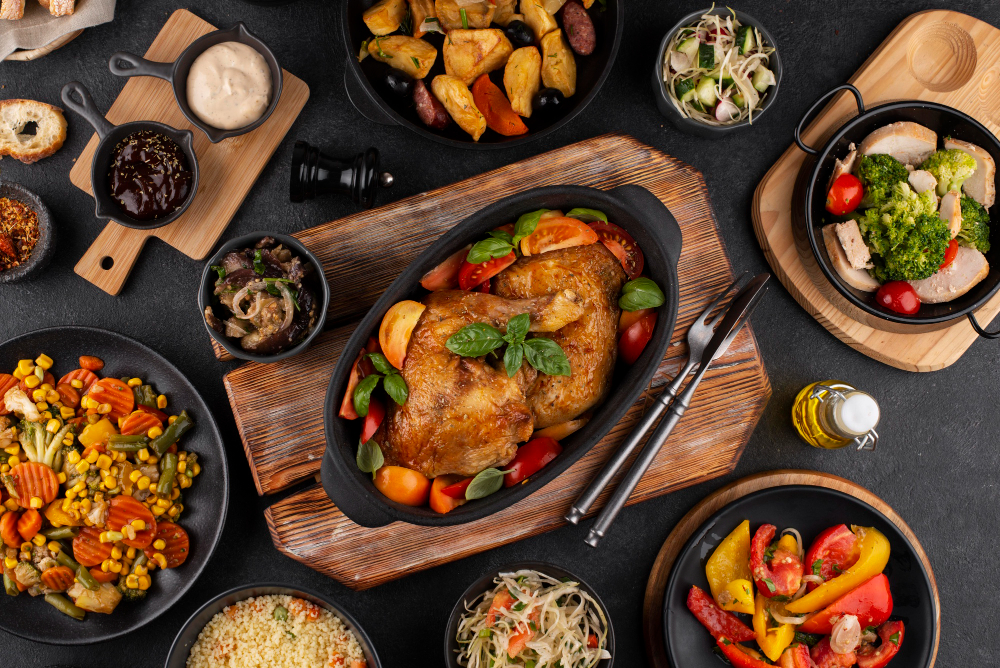
You do not need to travel the world to experience authentic flavors. Cooking at home is a powerful way to explore global cuisines. By following traditional recipes and using proper techniques, you can recreate dishes that reflect their cultural origins.
Cooking also allows you to experiment and understand how flavors come together. It gives you control over ingredients and preparation, making the experience more personal.
Learning about different cuisines through cooking can deepen your appreciation for food and the effort behind it.
The Sensory Experience of Food
Authentic food engages all the senses. The aroma of spices, the visual appeal of presentation, and the texture of each bite contribute to the overall experience. Paying attention to these details enhances your connection with the food.
Taste is not just about flavor; it is about how all elements come together. A well-balanced dish creates harmony between sweet, salty, sour, and spicy elements. This balance is often achieved through traditional knowledge and experience.
Experiencing food mindfully allows you to fully appreciate its authenticity and complexity.
Being Open to New Flavors
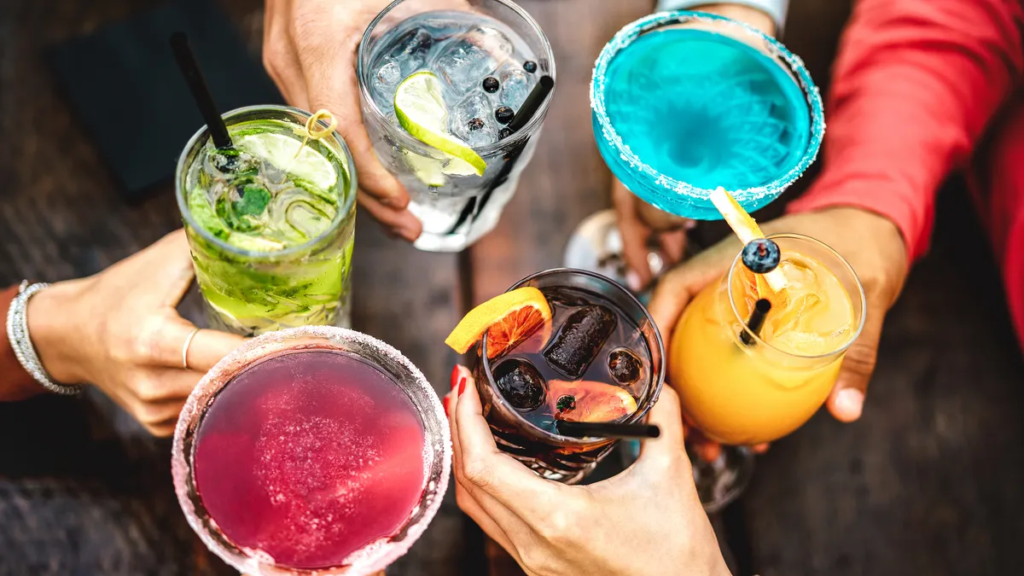
Exploring authentic flavors requires an open mind. Some dishes may be unfamiliar or different from what you are used to. Being willing to try new foods allows you to expand your palate and discover unique tastes.
Not every dish will suit your preferences, but each experience adds to your understanding of global cuisine. Openness leads to growth and appreciation for diversity in food.
Preserving Authentic Food Traditions
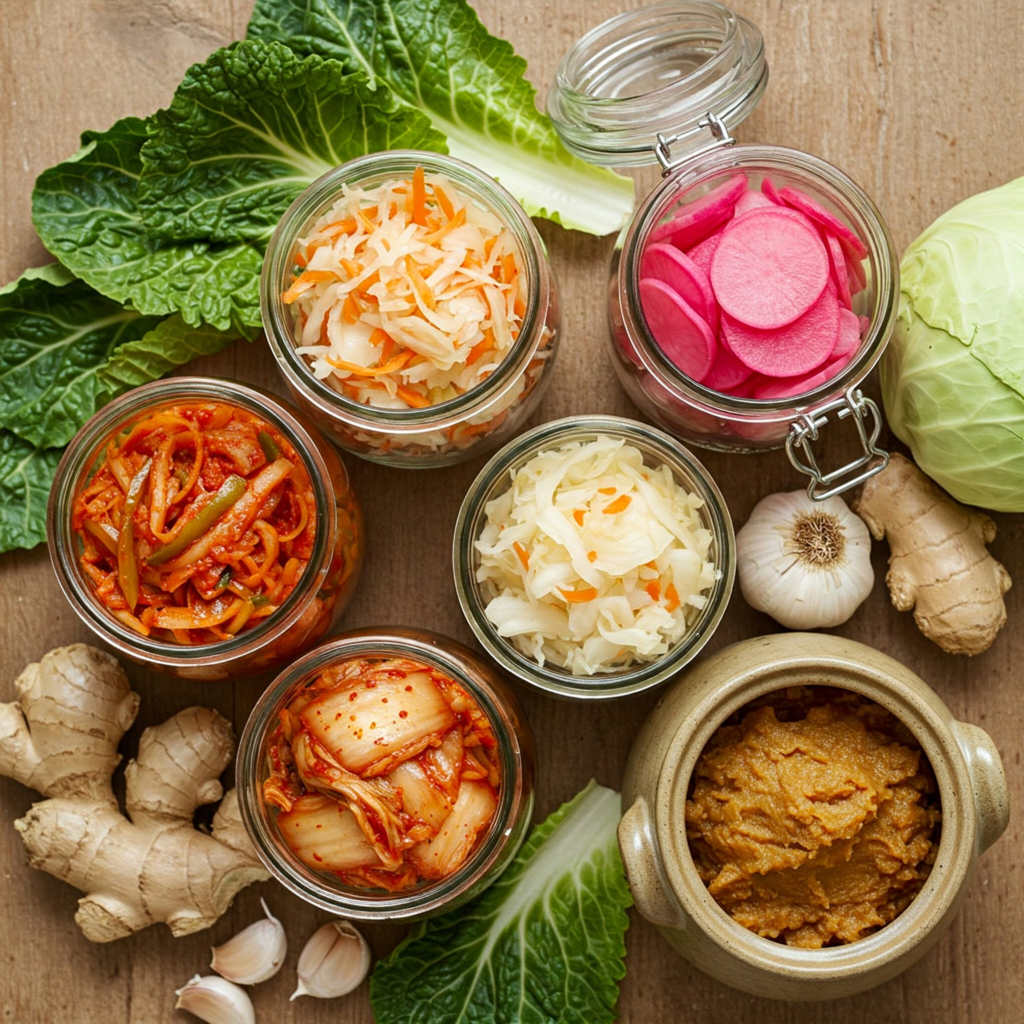
Choosing traditional dishes, learning about their origins, and sharing them with others contributes to preserving these flavors. It ensures that future generations can continue to experience authentic food.
- Proven Tips to Improve Your Daily Life in 2026

- How to Stay Mentally Strong in a Stressful World (2026 Guide)

- How to Improve Yourself Daily: Simple Steps for Big Results

- How to Build Deep Understanding in Any Relationship

- Complete Guide to Public Transport for Travelers

- Digital Well-being: How to Balance Your Online and Offline Life

- “Turning Pain into Power: Real Stories of Courage and Growth”

- Best Breakfast Recipes for Weight Loss and Energy Boost
- International Travel Tips: Save Money, Travel Smart & Explore More

- Top 10 Home Decor Trends in 2026 You Need to Try Now

- “Friendship Stories: Bonds That Last a Lifetime”

- “The Hidden Power of Communication in Love and Relationships”

- “Wildlife Adventures: Into the Heart of the Wild”

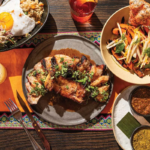
- “A Journey of Flavor and Taste: Discover Authentic Flavors Worldwide”
- “Adventure Living: How to Break Free and Explore the World”

- “How to Boost Your Mental and Physical Well-Being Naturally”

- “Real Life Story That Will Change Your Perspective”

- Pride and Prejudice Themes, Love & Social Class

- “10 Life-Changing Habits for a Better Lifestyle in 2026”

- The Success Story of Darden Restaurants: Brands, Growth & Strategy

- Healthy Relationships: Tips to Build Strong and Lasting Love

- Why Visit Jakarta in 2026? Complete Travel & Food Guide

- What is National Burrito Day 2026? Date, History & Easy Recipes

- Hello world!
FAQs
1.What are authentic flavors in food?
Authentic flavors are traditional tastes that remain true to their cultural origins, using original recipes, ingredients, and cooking methods.
2.Why is it important to explore authentic cuisines?
Exploring authentic cuisines helps you understand different cultures, traditions, and lifestyles through food.
3.Can I experience authentic flavors without traveling?
Yes, you can cook traditional recipes at home or visit restaurants that specialize in authentic cuisine.



0 Comments