In today’s fast-paced world, maintaining both mental and physical well-being has become more important than ever. Many people focus on one aspect while neglecting the other, but true wellness comes from a balance between the mind and the body. The good news is that improving your well-being does not always require expensive programs or complicated routines. Simple, natural habits can create powerful and lasting changes in your life.
This guide explores practical and realistic ways to boost your mental and physical well-being naturally, helping you build a healthier, more balanced lifestyle.
Understanding Mental and Physical Well-Being
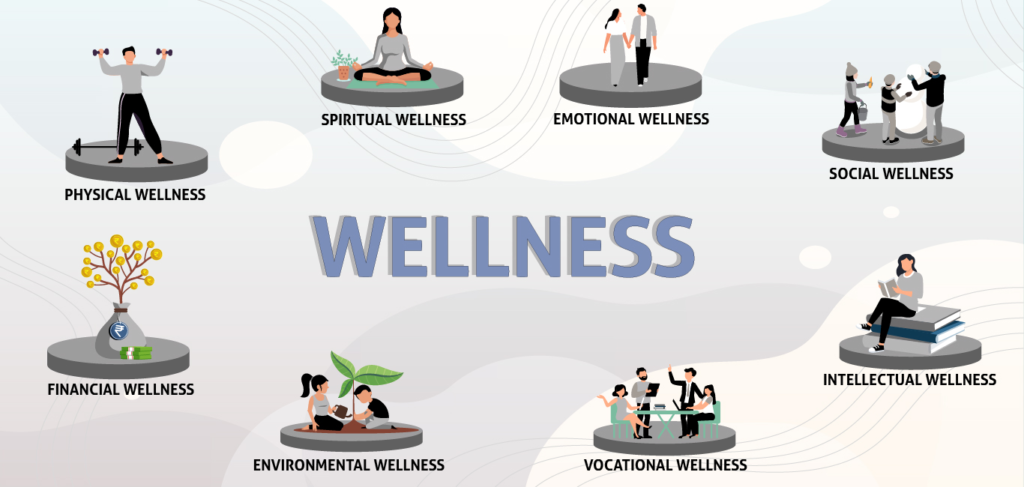
Mental and physical well-being are deeply connected. When your body feels strong and energized, your mind becomes clearer and more focused. Similarly, when your mental health is stable, your body responds with better energy levels and overall performance.
Ignoring one aspect can negatively affect the other. For example, stress can lead to fatigue, poor sleep, and even physical illness. On the other hand, lack of physical activity can lower mood and reduce mental clarity. This is why a holistic approach is essential for long-term well-being.
The Power of a Balanced Daily Routine
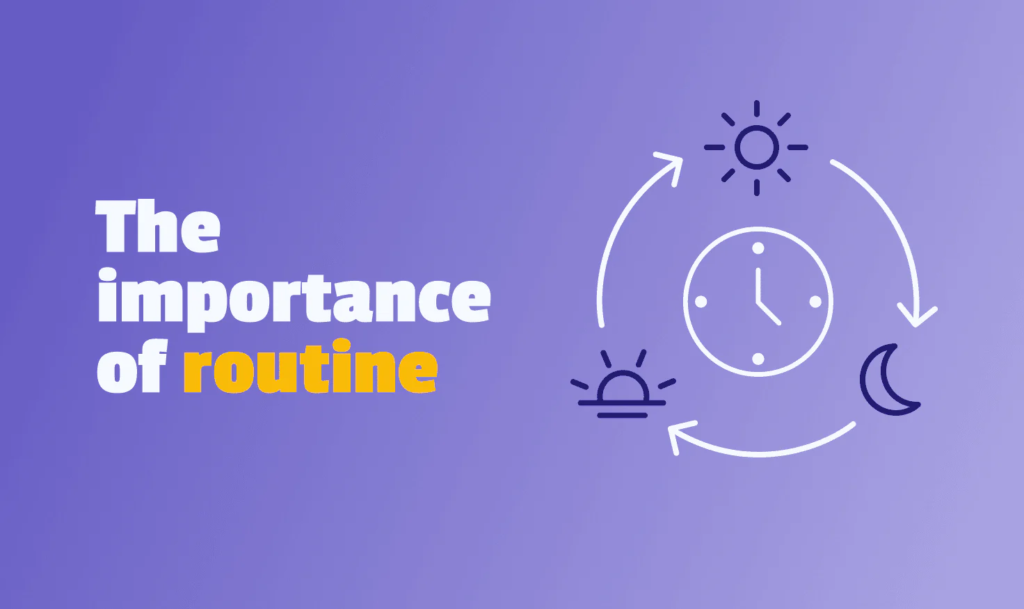

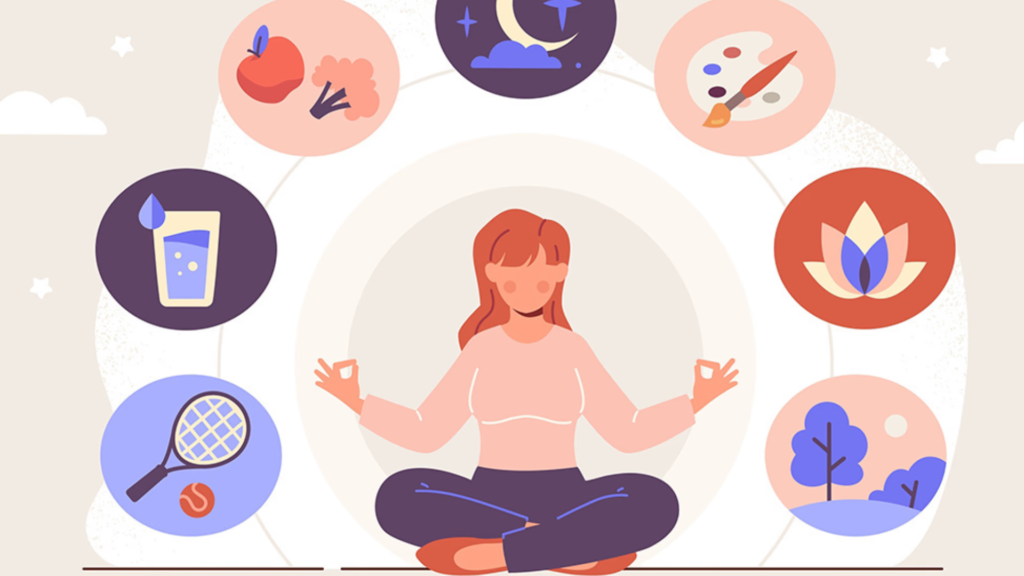
One of the most effective ways to improve well-being is by creating a balanced daily routine. Structure brings stability, and stability reduces stress. A well-planned day allows you to manage your time better and avoid unnecessary pressure.
Start by organizing your day into simple blocks that include work, rest, and personal time. Avoid overloading your schedule, and make sure to include moments where you can relax and recharge. Even small adjustments, like taking short breaks or planning your tasks in advance, can make a big difference.
Nourishing Your Body with Natural Foods

What you eat has a direct impact on how you feel. A balanced diet rich in natural foods supports both your physical health and mental clarity. Fresh fruits, vegetables, whole grains, and adequate hydration provide the nutrients your body needs to function properly.
Avoid excessive processed foods, as they can lead to low energy levels and affect your mood. Eating at regular intervals also helps maintain stable energy throughout the day. When your body is well-nourished, your mind becomes more focused and resilient.
Staying Physically Active

Regular physical activity is essential for overall well-being. Exercise not only strengthens your body but also releases natural chemicals that improve mood and reduce stress. You do not need an intense workout routine to experience the benefits.
Simple activities like walking, stretching, or light exercises can significantly improve your health when done consistently. The key is to find an activity you enjoy so that it becomes a natural part of your routine rather than a burden.
Regular physical activity is essential for overall well-being. Exercise not only strengthens your body but also releases natural chemicals that improve mood and reduce stress. You do not need an intense workout routine to experience the benefits.
Simple activities like walking, stretching, or light exercises can significantly improve your health when done consistently. The key is to find an activity you enjoy so that it becomes a natural part of your routine rather than a burden.
Improving Sleep Quality
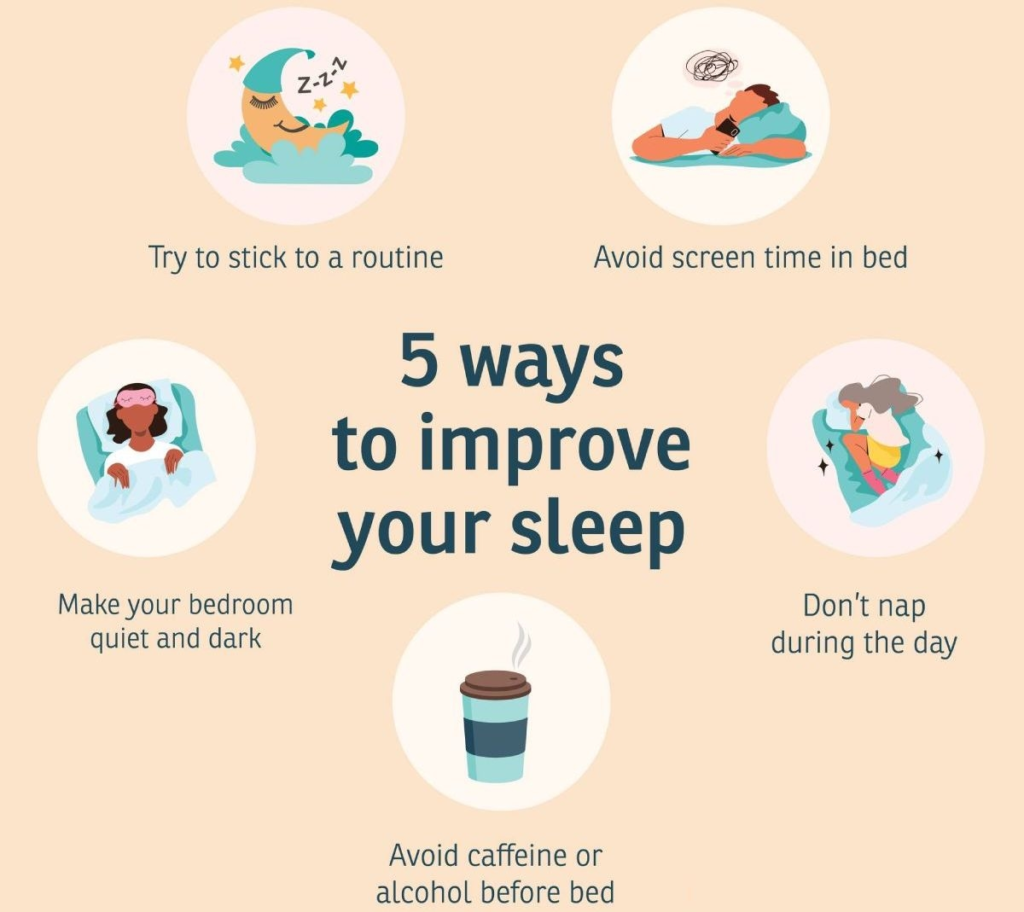
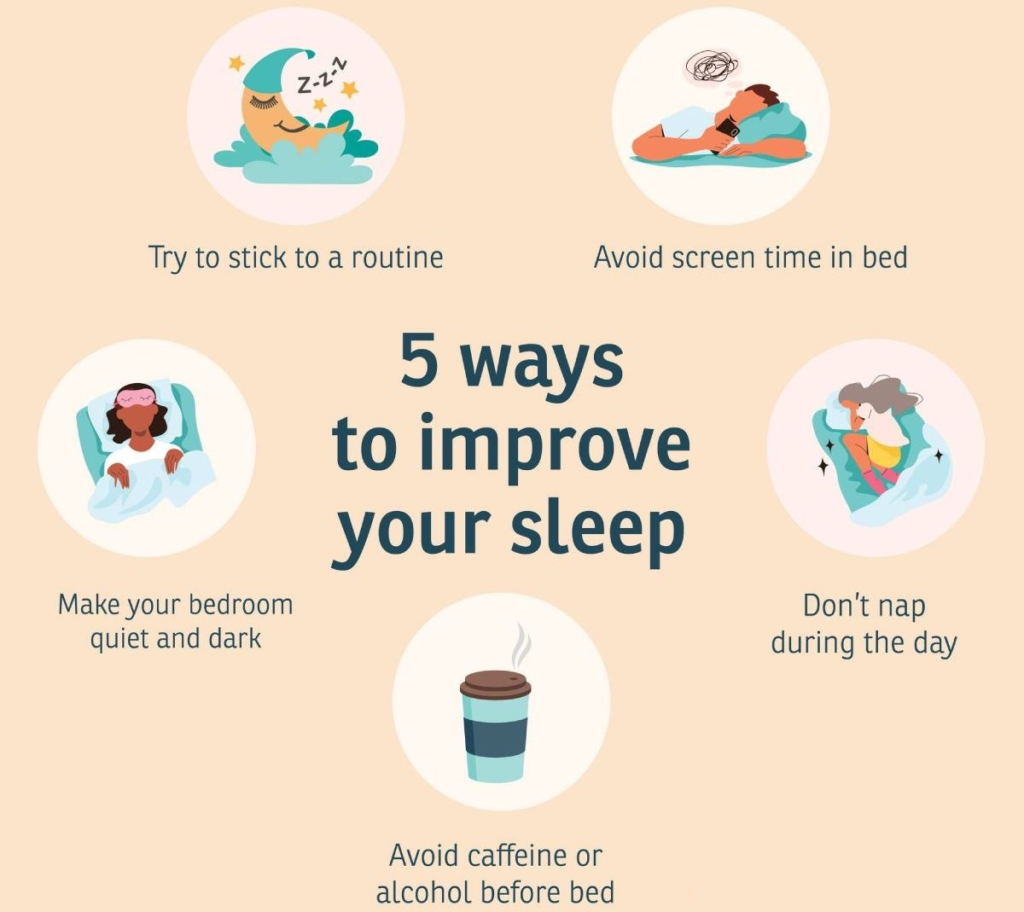
“Better sleep begins with better choices.”
Sleep plays a critical role in maintaining both mental and physical health. Poor sleep can lead to fatigue, lack of focus, and increased stress. Building a consistent sleep routine helps your body recover and prepares your mind for the next day.
Try to go to bed and wake up at the same time every day. Avoid screens before bedtime and create a calm environment that supports relaxation. Quality sleep improves memory, mood, and overall performance.
Managing Stress Naturally
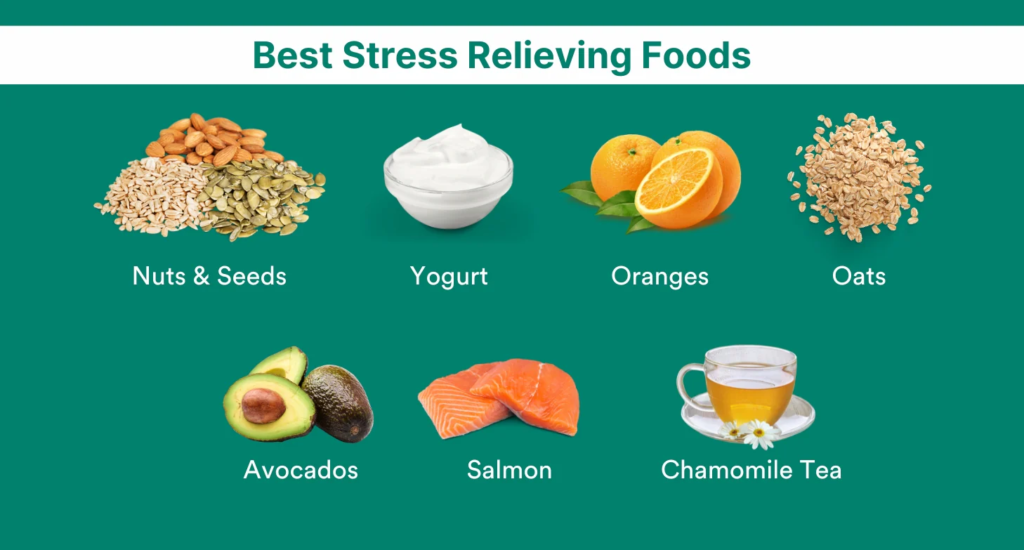
Stress is a natural part of life, but managing it effectively is essential for well-being. Instead of ignoring stress, it is important to develop healthy ways to handle it.
Simple practices like deep breathing, mindfulness, or spending time in nature can help reduce stress levels. Taking breaks during busy days and allowing yourself time to relax can also prevent burnout. The goal is not to eliminate stress completely but to manage it in a healthy way.
The Importance of Mindfulness

Mindfulness is the practice of being present in the moment. It helps you focus on what is happening now rather than worrying about the past or future. This simple habit can significantly improve mental clarity and emotional stability.
You can practice mindfulness through activities like meditation, journaling, or simply paying attention to your surroundings. Over time, mindfulness helps you become more aware of your thoughts and emotions, allowing you to respond to situations more calmly.
Building Positive Relationships

Human connection is an important part of well-being. Spending time with supportive and positive people can improve your mood and provide emotional strength. Healthy relationships create a sense of belonging and reduce feelings of loneliness.
Make an effort to communicate openly and spend quality time with the people who matter to you. Even small interactions can have a positive impact on your mental health.
Limiting Digital Overload

In the modern world, constant exposure to screens and information can overwhelm your mind. Excessive use of digital devices can reduce focus, increase stress, and disrupt sleep patterns.
Setting boundaries with technology is essential. Limit unnecessary screen time and create periods during the day where you disconnect from devices. This allows your mind to rest and improves your ability to concentrate on important tasks.
Creating Time for Yourself

Taking time for yourself is not a luxury; it is a necessity. Personal time allows you to recharge and reflect on your thoughts and emotions. Without it, it becomes easy to feel overwhelmed and disconnected.
Engage in activities that bring you peace and satisfaction, whether it is reading, walking, or simply sitting in silence. These moments help restore balance and improve overall well-being.
Consistency Over Perfection
One of the most important principles of improving well-being is consistency. Many people try to make drastic changes all at once, which often leads to burnout. Instead, focus on small, sustainable habits that you can maintain over time.
Progress may feel slow, but consistent effort leads to lasting results. It is not about being perfect every day; it is about making better choices regularly.
FAQs
1. What is the best way to improve mental and physical well-being naturally?
The best approach is to combine healthy habits such as regular exercise, balanced nutrition, proper sleep, and stress management. Consistency in these areas leads to long-term improvement.
2.How long does it take to see results in well-being?
Some changes, like improved mood and energy, can be noticed within a few weeks. However, lasting results require consistent effort over a longer period.
3.Can small lifestyle changes really make a difference?
Yes, small changes practiced daily can have a significant impact over time. Simple habits like walking, eating better, and managing stress can improve overall well-being.
4.Why is sleep important for well-being?
Sleep allows your body to recover and your mind to reset. It improves focus, mood, and physical health, making it essential for overall well-being.
5.How can I reduce stress naturally?
You can reduce stress through mindfulness, deep breathing, spending time in nature, and taking regular breaks from work and digital devices.


0 Comments