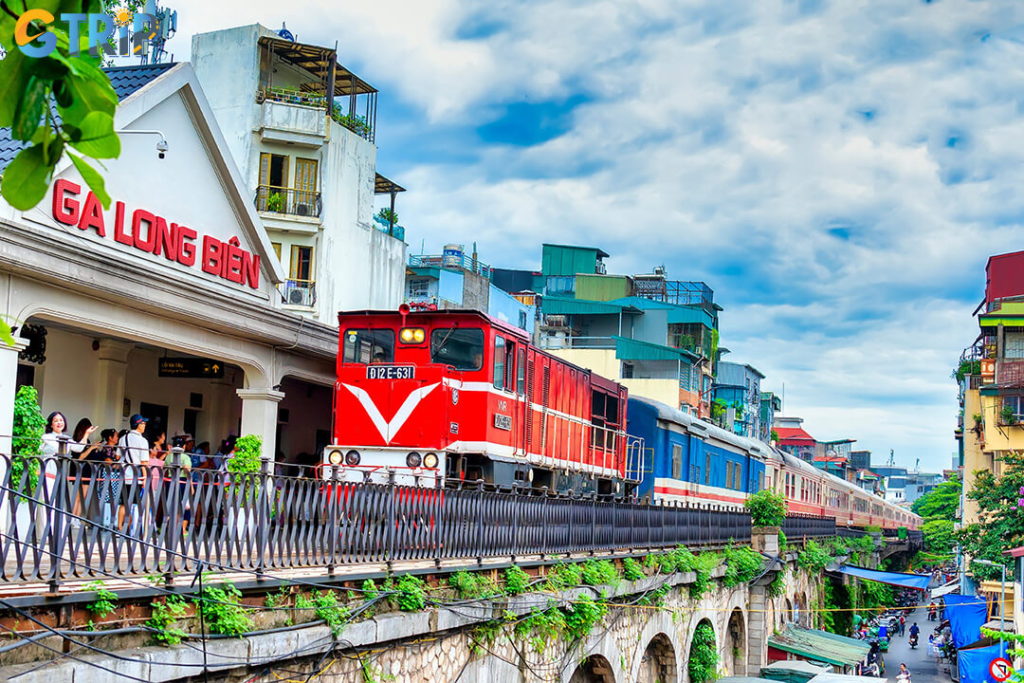
Traveling to a new place is always exciting, but one of the biggest challenges travelers face is understanding how to get around. Public transport plays a major role in making travel affordable, convenient, and efficient. Whether you are visiting a busy city or exploring a new country, knowing how to use public transportation can save both time and money while giving you a more authentic travel experience.
Public transport includes buses, trains, metros, trams, and shared transport systems that are available for general use. Unlike private transport, it allows you to move around like a local and explore places in a more connected way.
Why Public Transport is Important for Travelers
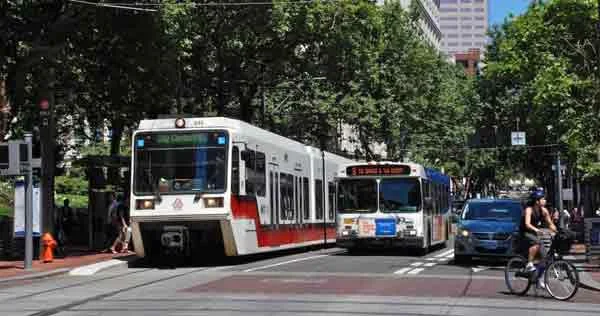
Public transport is often the backbone of any city. It connects major tourist attractions, residential areas, and commercial zones. For travelers, it offers a cost-effective alternative to taxis or rental cars.
One of the biggest advantages is affordability. Public transport is usually much cheaper than private options, especially for long distances or daily travel. It also helps avoid traffic issues in crowded cities, making your journey faster and less stressful.
Another important benefit is the local experience. When you use buses or trains, you get to see how locals live, interact, and commute. This adds a unique and real touch to your travel journey.
Types of Public Transport You Should Know
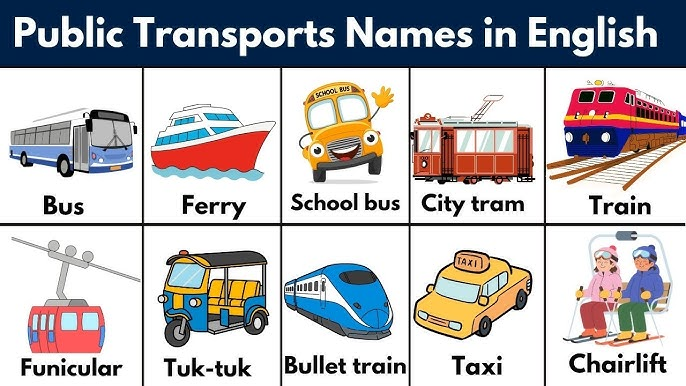
Understanding different types of public transport helps you choose the best option for your needs.
Buses are the most common and widely available form of public transport. They cover almost every part of a city and are usually the cheapest option. However, they can be slower due to traffic.
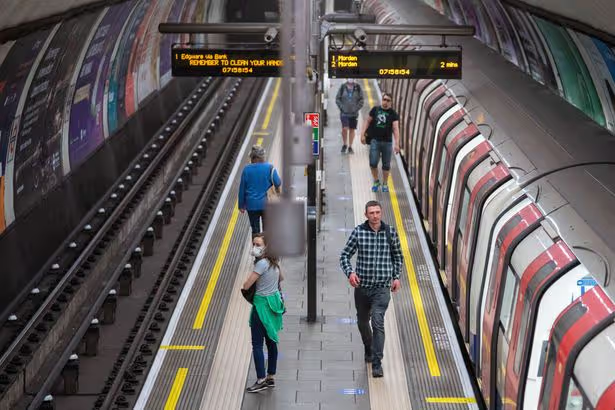
Metro or subway systems are ideal for fast travel in large cities. They run on fixed routes, avoid traffic, and are very time-efficient. They are especially useful for daily commuting and reaching major attractions.
Trains are best for traveling between cities or long distances. They offer comfort and scenic views, making the journey enjoyable.
Trams and light rail systems are commonly found in developed cities. They are similar to metros but usually run above ground and cover shorter distances.
Shared transport options like auto-rickshaws or minibuses are also popular in many countries. They are flexible and can take you to places not covered by larger systems.
How to Use Public Transport in a New City
Using public transport in an unfamiliar place may seem confusing at first, but with a little preparation, it becomes easy.
Start by researching the transport system of the city you are visiting. Most cities have official websites or mobile apps that provide route maps, schedules, and fare details.
Always check the route before starting your journey. Knowing where to board, where to get off, and how long the journey will take helps avoid confusion.
Buying tickets in advance can save time. Many cities offer travel cards or passes that allow unlimited travel for a certain period. These are often more economical for tourists.
Don’t hesitate to ask for help. Locals or transport staff are usually willing to guide you if you are unsure.
Tips for First-Time Travelers

If you are using public transport for the first time in a new place, a few simple tips can make your experience smoother.
Always carry small change or a travel card for easy payment. Some systems may not accept large notes or digital payments.
Try to avoid peak hours if possible. Traveling during less crowded times makes your journey more comfortable.
Keep your belongings safe, especially in crowded areas. Use a secure bag and stay alert to your surroundings.
Follow local rules and etiquette. For example, in many places, giving seats to elderly passengers is expected.
Benefits of Using Public Transport
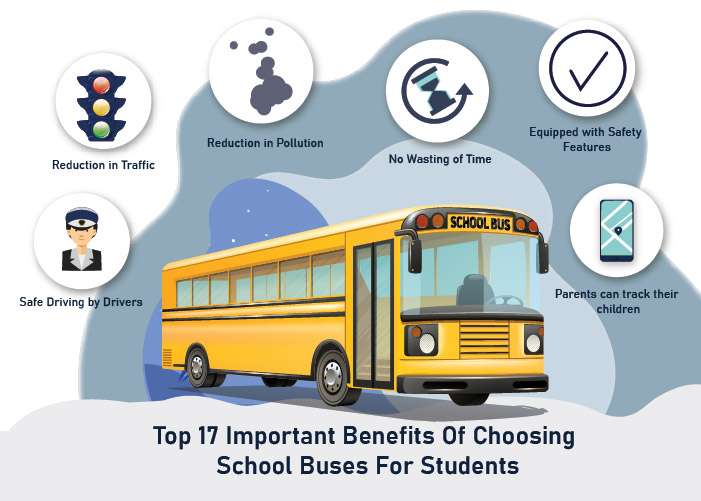
Public transport offers several advantages beyond just saving money. It is environmentally friendly, as it reduces the number of private vehicles on the road and lowers pollution levels.
It also reduces travel stress. You don’t have to worry about driving, parking, or navigating unknown roads. This allows you to relax and enjoy the journey.
Another benefit is accessibility. Public transport connects places that may not be easily reachable by other means. This makes it easier to explore hidden areas and local spots.
Common Challenges and How to Handle Them
While public transport is convenient, it can come with challenges. Language barriers can make it difficult to understand announcements or signs. In such cases, using translation apps or maps can help.
Crowded vehicles are another common issue, especially during peak hours. Planning your travel time wisely can help you avoid heavy crowds.
Delays or changes in schedules can also occur. Keeping some extra time in your plan ensures that these issues do not disrupt your entire trip.
Public Transport Etiquette
Respecting local transport etiquette is important for a smooth experience. Always stand in line while boarding and allow passengers to exit before entering.
Keep noise levels low and avoid loud conversations or music. Cleanliness is also important—do not litter and follow the rules of the transport system.
Respect reserved seats and follow instructions given by staff. Being polite and respectful creates a positive experience for everyone.
Making the Most of Your Journey

Public transport is not just about reaching your destination. It can also be part of the travel experience. Watching the city from a bus window, observing daily life, and interacting with locals can make your journey more memorable.
Try to stay present and enjoy the moment instead of focusing only on reaching your destination. Travel is about experiences, and public transport offers many small but meaningful ones.
- Proven Tips to Improve Your Daily Life in 2026

- How to Stay Mentally Strong in a Stressful World (2026 Guide)

- How to Improve Yourself Daily: Simple Steps for Big Results

- How to Build Deep Understanding in Any Relationship

- Complete Guide to Public Transport for Travelers

FAQs
1. What is public transport?
Public transport refers to shared transportation systems like buses, trains, and metros that are available for general use.
2. Is public transport safe for travelers?
Yes, public transport is generally safe if you stay alert, follow local rules, and take basic precautions.
3. How can I find routes in a new city?
You can use maps, mobile apps, or official transport websites to check routes and schedules.
4. What is the cheapest mode of public transport?
Buses are usually the cheapest option, followed by metro systems in many cities.



0 Comments