In today’s fast-moving world, stress has become almost unavoidable. From work pressure and financial worries to constant notifications and social expectations, it often feels like our minds never get a break. In 2026, where technology is deeply woven into our daily lives and competition continues to grow, staying mentally strong is not just helpful—it is essential.
Mental strength does not mean avoiding stress or pretending everything is fine. It means learning how to manage challenges, stay calm under pressure, and bounce back from difficult situations. The good news is that mental strength is not something you are born with; it is a skill you can build with the right habits and mindset.
This guide will help you understand practical, real-life ways to stay mentally strong, even when life feels overwhelming.
Understanding Mental Strength
Mental strength is the ability to control your thoughts, emotions, and actions in a way that supports your well-being. It is about staying focused, positive, and resilient even when things do not go as planned.
People who are mentally strong are not free from problems. Instead, they face difficulties with a balanced mindset. They do not let stress control their decisions, and they recover more quickly from setbacks.
Why Stress Feels Stronger in 2026
The modern world has introduced new types of stress. Social media creates constant comparison. Work-from-home culture blurs the line between personal and professional life. Technology, while helpful, often keeps our minds active 24/7.
This continuous mental load can lead to burnout, anxiety, and emotional exhaustion. That is why building mental strength is more important now than ever before.
Build a Strong and Positive Mindset
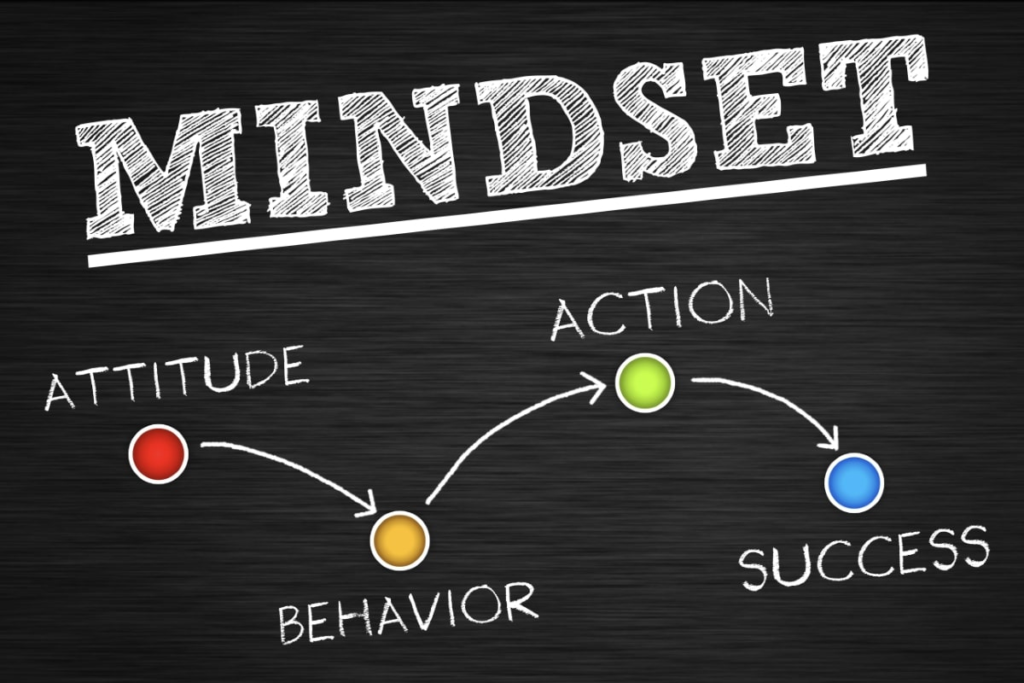
Your mindset plays a powerful role in how you handle stress. If you always expect the worst or focus only on problems, stress will feel heavier. But if you train your mind to look for solutions and opportunities, you
can handle pressure more effectively.
Positive thinking does not mean ignoring reality. It means choosing a perspective that helps you move forward.
Start by becoming aware of your thoughts. When you notice negative thinking, try to replace it with a more balanced perspective. For example, instead of thinking “I can’t handle this,” shift to “This is challenging, but I will figure it out.”
Practice Mindfulness and Stay Present
One of the biggest causes of stress is overthinking—worrying about the future or regretting the past. Mindfulness helps you stay in the present moment, where most problems are more manageable.
You can practice mindfulness through simple activities like deep breathing, meditation, or even focusing fully on a task like eating or walking. Just a few minutes a day can make a big difference.
When your mind is calm and present, stress loses much of its power.
Take Care of Your Body

Your mental and physical health are closely connected. When your body feels good, your mind works better.
Regular exercise helps reduce stress hormones and improves mood. You do not need a heavy workout routine. Even a daily walk can help clear your mind.
Sleep is equally important. Lack of sleep makes it harder to think clearly and handle emotions. Try to maintain a consistent sleep schedule and avoid screens before bedtime.
Eating a balanced diet also supports brain health. Simple changes like drinking enough water and eating fresh foods can improve your overall well-being.
Set Healthy Boundaries

In a world where everyone is always connected, it is easy to feel overwhelmed. Learning to say “no” is an important part of mental strength.
You do not have to accept every request or meet every expectation. Protect your time and energy by setting clear boundaries, whether it is limiting work hours, reducing screen time, or avoiding negative environments.
Boundaries are not selfish. They are necessary for maintaining balance and mental peace
Manage Your Time Effectively
Poor time management often leads to unnecessary stress. When tasks pile up, it can feel overwhelming and out of control.
Start by organizing your day. Make a simple to-do list and focus on one task at a time. Break big tasks into smaller steps so they feel more manageable.
Avoid multitasking as much as possible. It may seem efficient, but it often reduces productivity and increases stress.
When you feel in control of your time, your mind feels more relaxed.
Build Emotional Resilience
Life will always have ups and downs. Emotional resilience is your ability to recover from difficult situations.
Instead of avoiding problems, face them with a problem-solving mindset. Ask yourself what you can learn from the situation and how you can move forward.
Accept that not everything will go your way. Learning to adapt and adjust is a key part of staying mentally strong.
Remember, every challenge you overcome makes you stronger for the next one.
Limit Digital Overload

In 2026, digital overload is one of the biggest sources of stress. Constant notifications, endless scrolling, and information overload can drain your mental energy.
Set limits on your screen time. Take breaks from social media and avoid checking your phone constantly. Consider having “no-phone” time during the day, especially before bed.
A digital detox, even for a few hours, can refresh your mind and improve focus.
Surround Yourself with Positive People
The people around you have a strong impact on your mental state. Supportive and positive relationships can help you stay strong during difficult times.
Spend time with people who encourage you, listen to you, and bring out the best in you. At the same time, try to distance yourself from negativity and toxic environments.
Having someone to talk to can make a big difference when you are feeling stressed.
Practice Gratitude
Gratitude is a simple but powerful habit. When you focus on what you have instead of what you lack, your mindset shifts in a positive direction.
Take a few minutes each day to think about things you are grateful for. It could be something as small as a good meal or a kind conversation.
This practice helps reduce stress and increases overall happiness.
Keep Learning and Growing
Personal growth is an important part of mental strength. When you learn new skills or improve yourself, you build confidence and adaptability.
Read books, take courses, or explore new hobbies. Growth keeps your mind active and prepares you to handle challenges more effectively.
FAQs
1.What does it mean to be mentally strong?
Being mentally strong means having the ability to manage your thoughts, emotions, and behavior in a positive way, even during stressful situations.
2.Can mental strength be developed?
Yes, mental strength is a skill that can be developed over time through habits like mindfulness, positive thinking, and self-discipline.
3.How can I reduce stress quickly?
Simple techniques like deep breathing, taking a short walk, or focusing on the present moment can help reduce stress quickly.
4.Is it normal to feel stressed all the time?
Occasional stress is normal, but constant stress is not healthy. It is important to identify the causes and take steps to manage it.


0 Comments