Living a better life doesn’t always require big, dramatic changes. In most cases, real transformation comes from small, consistent improvements that shape your mindset, habits, and daily routine. As we move through 2026, the focus is shifting toward balance, mindfulness, and intentional living. People are no longer chasing just success—they are prioritizing peace, health, and meaningful experiences.
Below are practical, proven tips that can help you improve your daily life in a realistic and sustainable way.
Start Your Day with Purpose

The way you begin your morning often decides how the rest of your day will go. Instead of rushing into your phone or social media, take a few minutes to set a clear intention. This could be as simple as planning your top three tasks or practicing gratitude.
A purposeful morning creates mental clarity and reduces stress. Even a short routine that includes stretching, journaling, or quiet reflection can make a noticeable difference.
Focus on One Thing at a Time
Multitasking might feel productive, but it often reduces the quality of your work and increases mental fatigue. In 2026, productivity is more about focus than speed.
Train yourself to work on one task at a time. Give it your full attention, complete it, and then move to the next. This approach improves efficiency and helps you feel more accomplished at the end of the day.
Build Healthy Digital Habits
Technology is a big part of our lives, but overuse can lead to stress, distraction, and poor sleep. One of the most effective lifestyle improvements is setting boundaries with your digital devices.
Limit unnecessary screen time, especially before bed. Turn off notifications that aren’t important. Create “no-phone” zones during meals or before sleep. These small changes help you stay more present and focused.
Prioritize Physical Health

Include some form of movement in your daily routine, whether it’s walking, yoga, or a short workout. Drink enough water and try to eat balanced meals. When your body feels good, your mind naturally performs better.
Your physical health directly affects your energy, mood, and productivity. You don’t need an intense workout plan to stay fit—consistency matters more than intensity.
Practice Mindfulness Daily
Mindfulness is not just a trend—it’s a powerful tool for reducing stress and improving mental clarity. Taking a few minutes each day to focus on your breathing or observe your thoughts can calm your mind.
It helps you respond to situations more thoughtfully instead of reacting impulsively. Over time, mindfulness improves emotional control and overall well-being.
Improve Your Sleep Quality
Sleep is often ignored, but it plays a critical role in your daily life. Poor sleep can affect your mood, focus, and health.
Try to maintain a consistent sleep schedule. Avoid screens before bedtime and create a relaxing nighttime routine. A good night’s sleep can significantly improve your energy levels and productivity the next day.
Set Realistic Goals
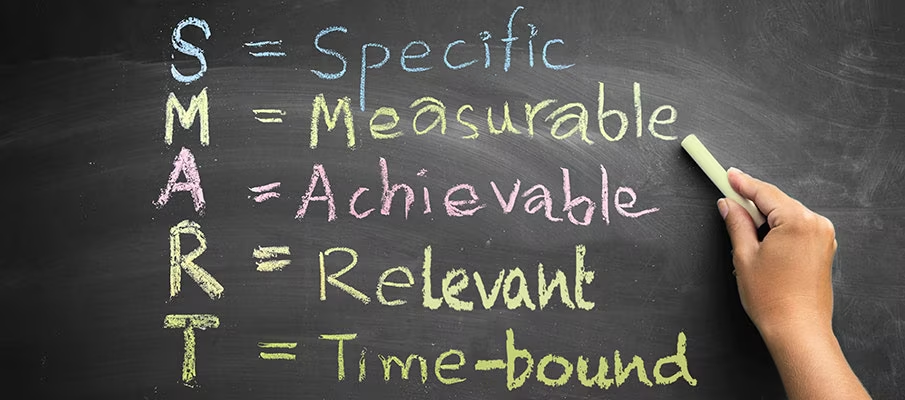
Many people feel overwhelmed because they set unrealistic expectations. Instead of trying to change everything at once, focus on small, achievable goals.
Break big goals into smaller steps and celebrate progress along the way. This keeps you motivated and prevents burnout
Keep Learning New Skills
Growth is an important part of a fulfilling life. Learning something new keeps your mind active and opens new opportunities.
This doesn’t have to be complicated. It could be reading, improving communication skills, or learning something related to your work. Continuous learning builds confidence and keeps life interesting.
Strengthen Your Relationships

Human connection is essential for happiness. Spending quality time with family and friends can improve your emotional health.
Make an effort to communicate openly and listen actively. Even small gestures like checking in on someone can strengthen your relationships.
Manage Stress Effectively
Stress is a part of life, but how you handle it makes a big difference. Instead of ignoring stress, find healthy ways to manage it.
This could include exercise, meditation, talking to someone, or taking short breaks during work. Managing stress helps you stay calm and focused even in challenging situations.
Stay Organized
A cluttered environment often leads to a cluttered mind. Keeping your space organized can improve your focus and productivity.
Start by organizing your workspace or daily schedule. Use simple tools like to-do lists or planners to stay on track. When things are in order, you feel more in control of your day.
Practice Gratitude

Gratitude shifts your focus from what you lack to what you have. Taking a few moments each day to appreciate the positive aspects of your life can improve your mindset.
It helps reduce negativity and increases overall happiness. Over time, gratitude becomes a natural way of thinking.
FAQs
1.What are the easiest ways to improve daily life in 2026?
Start with small habits like waking up with a plan, reducing screen time, staying active, and maintaining a consistent sleep schedule.
2.How long does it take to see lifestyle improvements?
You can notice small changes within a few days, but lasting improvements usually take a few weeks of consistent effort.
3.Can simple habits really change my life?
Yes, small daily habits create long-term impact. Consistency is more important than making big changes all at once.
4.How can I stay motivated to follow these tips?
Set realistic goals, track your progress, and focus on how these changes make you feel rather than immediate results.



0 Comments