Traveling internationally is a dream for many, but the idea of high expenses and complicated planning often holds people back. The truth is, with the right strategies and smart decisions, you can explore the world without draining your savings. This guide will help you plan better, spend wisely, and make the most of your international travel experience.
Plan Smart, Travel Better
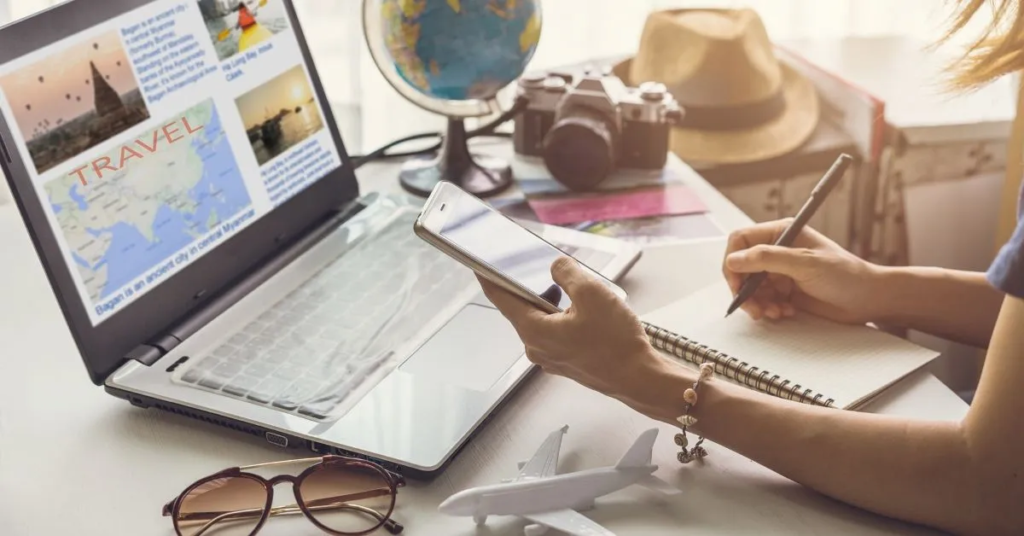
Good planning is the foundation of a successful trip. Booking your flights and accommodation at least two to three months in advance can help you secure better deals. Being flexible with your travel dates also allows you to take advantage of lower fares.
When choosing a destination, consider the cost of living and currency value. Some countries are naturally more budget-friendly for travelers. Traveling during the off-season is another smart move—it not only reduces costs but also helps you avoid large crowds.
Save Big on Flights

Flights are usually the most expensive part of international travel, but there are ways to reduce costs. Use comparison websites to find the best deals and try searching in incognito mode to avoid price increases based on browsing history.
Booking flights on weekdays, choosing red-eye or connecting flights, and signing up for airline reward programs can also help you save significantly over time.
Choose Budget-Friendly Accommodation

Luxury hotels are not always necessary. You can save a lot by staying in hostels, guesthouses, or short-term rentals. These options are especially useful for solo travelers or those on a tight budget.
Location plays an important role as well. Staying slightly outside the city center can be more affordable, especially if public transportation is easily accessible.
Pack Smart and Light
Packing wisely can save you both money and hassle. Avoid extra baggage fees by carrying only what you need. Essentials like a universal adapter, basic medicines, and a reusable water bottle should always be included.
Packing according to the weather of your destination ensures comfort and prevents unnecessary purchases during your trip.
Eat Smart, Spend Less

Food is a big part of the travel experience, but dining at expensive restaurants for every meal can quickly add up. Try local street food and small eateries to enjoy authentic flavors at a lower cost.
Buying snacks and drinks from supermarkets is another simple way to control your spending.
Use Public Transportation
Transportation costs can rise quickly if you rely on taxis or private cabs. Instead, use public transportation such as buses, trains, and metro systems. Many cities offer travel passes that allow unlimited rides for a fixed price, making them a cost-effective option.
Manage Your Money Wisely
Avoid exchanging currency at airports, as rates are often higher. Instead, use local exchange services or forex cards for better rates. International debit and credit cards are convenient, but be mindful of additional charges.
Keeping a mix of cash and card ensures that you are prepared for different situations.
Stay Connected and Safe
Having access to the internet makes travel much easier. Consider buying a local SIM card or an international roaming plan. Avoid using public Wi-Fi for sensitive transactions.
Always keep digital and physical copies of important documents like your passport, visa, and tickets. Staying aware of your surroundings and following basic safety practices can prevent many problems.
Don’t Skip Travel Insurance
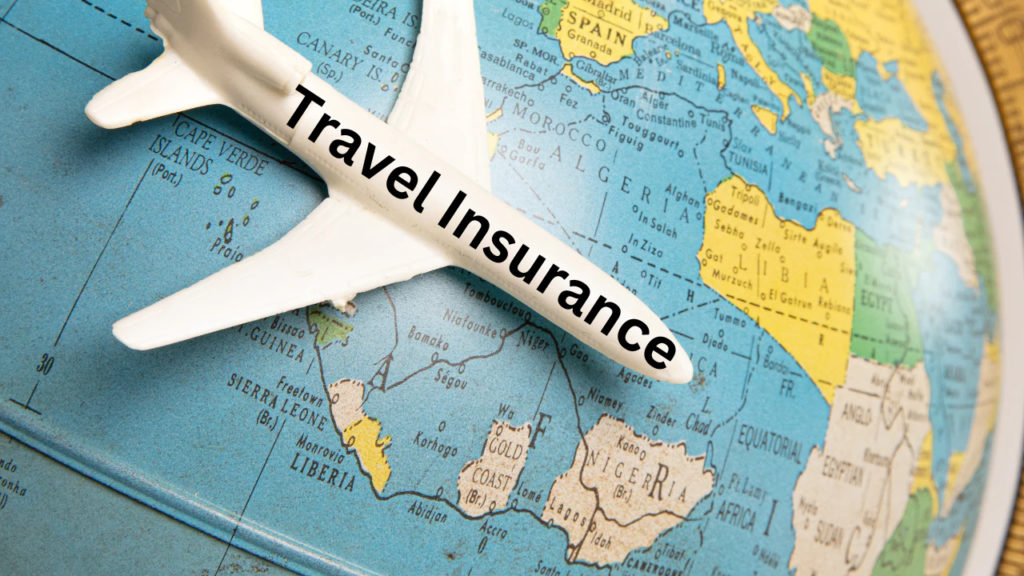
Travel insurance is often overlooked, but it is an essential part of international travel. It protects you from unexpected situations such as medical emergencies, trip cancellations, or lost luggage. Investing in insurance can save you from major financial stress.
Explore More, Spend Less
You don’t have to spend a lot to enjoy a destination. Many places offer free or low-cost attractions such as walking tours, public parks, beaches, and local markets. Exploring local culture and interacting with people often creates the most memorable experiences.
- Proven Tips to Improve Your Daily Life in 2026
- How to Stay Mentally Strong in a Stressful World (2026 Guide)

- How to Improve Yourself Daily: Simple Steps for Big Results

- How to Build Deep Understanding in Any Relationship

- Complete Guide to Public Transport for Travelers
- Digital Well-being: How to Balance Your Online and Offline Life

- “Turning Pain into Power: Real Stories of Courage and Growth”

- Best Breakfast Recipes for Weight Loss and Energy Boost

- International Travel Tips: Save Money, Travel Smart & Explore More
- Top 10 Home Decor Trends in 2026 You Need to Try Now

- “Friendship Stories: Bonds That Last a Lifetime”

- “The Hidden Power of Communication in Love and Relationships”

- “Wildlife Adventures: Into the Heart of the Wild”
- “A Journey of Flavor and Taste: Discover Authentic Flavors Worldwide”
- “Adventure Living: How to Break Free and Explore the World”
- “How to Boost Your Mental and Physical Well-Being Naturally”

- “Real Life Story That Will Change Your Perspective”

- Pride and Prejudice Themes, Love & Social Class

- “10 Life-Changing Habits for a Better Lifestyle in 2026”

- The Success Story of Darden Restaurants: Brands, Growth & Strategy

- Healthy Relationships: Tips to Build Strong and Lasting Love

- Why Visit Jakarta in 2026? Complete Travel & Food Guide

- What is National Burrito Day 2026? Date, History & Easy Recipes

- Hello world!
FAQs
1.What is the first step in planning an international trip?
Start by choosing your destination, then research visa requirements and create a basic budget plan.
2.How much budget is needed for an international trip?
It depends on the destination, but a budget-friendly trip can range from $600 to $1,200 for a short vacation.
3.How can I find cheap international flights?
Book in advance, compare prices across platforms, and be flexible with your travel dates to get the best deals.
4.Is travel insurance necessary?
Yes, it is highly recommended as it covers emergencies like medical issues, cancellations, and lost belongings.
5.Is solo international travel safe?
Yes, with proper research, planning, and safety precautions, solo travel can be safe and enjoyable.

0 Comments