In today’s world, technology is not just a part of our lives—it has become a major part of how we live, work, and connect. From checking emails in the morning to scrolling through social media at night, most of our daily activities are linked to screens. While this digital connection brings convenience and opportunities, it also creates challenges that can affect our mental, emotional, and physical well-being.
Digital well-being is about finding the right balance between your online and offline life. It means using technology in a way that supports your goals and happiness, rather than letting it control your time and energy. Achieving this balance is not about avoiding technology completely but about using it more mindfully.
Understanding the Need for Balance

The internet has made everything accessible within seconds. You can communicate instantly, learn new skills, and stay updated with global trends. However, this constant connectivity also comes with a hidden cost. Many people feel overwhelmed by notifications, distracted by endless content, and mentally exhausted by too much screen time.
Balancing online and offline life is important because it allows you to stay productive without feeling burnt out. It helps you enjoy the benefits of technology while protecting your peace of mind.
How Digital Overload Affects Daily Life
Spending too much time online can slowly impact your lifestyle in ways you may not immediately notice. One of the biggest effects is reduced focus. When you frequently switch between apps, messages, and tasks, your brain struggles to concentrate deeply on one thing.
Another common issue is mental fatigue. Constant exposure to information, news, and social media updates can make your mind feel tired and overloaded. This often leads to stress and decreased motivation.
Sleep is also affected by digital habits. Using your phone late at night keeps your brain active and disrupts your natural sleep cycle. Over time, this can result in poor sleep quality and low energy levels.
Recognizing Unhealthy Digital Habits

If you find yourself checking your phone repeatedly without any specific reason, it may indicate dependency. Feeling anxious when you don’t have access to your device is another sign. Spending hours scrolling without gaining any real value can also show a lack of control over digital usage.
Before improving your digital well-being, it’s important to recognize the signs of imbalance. Many people are unaware of how their habits are affecting them.
Another clear sign is when your online activities start replacing real-life interactions. If you prefer staying on your phone instead of spending time with family or friends, it’s time to rethink your habits.
Setting Boundaries with Technology
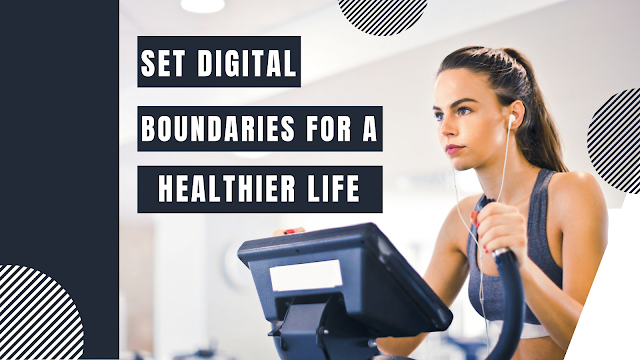
Creating boundaries is one of the most effective ways to maintain balance. Start by deciding when and how you will use your devices. For example, you can avoid checking your phone immediately after waking up. This gives your mind a calm start to the day.
You can also create “no-screen zones” in your daily routine. Mealtime and bedtime are perfect opportunities to stay away from devices. These small changes help you reconnect with your surroundings and improve your focus.
Limiting notifications is another simple but powerful step. Not every app needs to send alerts. Turning off unnecessary notifications reduces distractions and helps you stay more present.
Building Healthy Digital Habits

Developing positive habits takes time, but even small efforts can make a big difference. One effective method is to schedule your digital activities. Instead of using your phone randomly throughout the day, set specific times for checking emails and social media.
Taking regular breaks from screens is equally important. Short breaks during work or study sessions allow your mind to relax and recharge. This improves both productivity and mental clarity.
Another helpful habit is to replace screen time with meaningful offline activities. Reading a book, going for a walk, or spending time with loved ones can provide a sense of satisfaction that digital interactions often lack.
Managing Social Media Wisely
Stay connected, not controlled
Social media plays a significant role in shaping digital behavior. While it helps us stay connected, it can also create pressure and comparison. Seeing curated versions of others’ lives can lead to unrealistic expectations and self-doubt.
To maintain balance, it is important to use social media consciously. Follow accounts that inspire and educate you. Avoid content that triggers negativity or stress. Taking breaks from social media can also refresh your perspective and improve your mood.
Instead of scrolling mindlessly, try to engage with content that adds value to your life. This shift in approach can make your digital experience more meaningful.
Improving Focus in a Distracted World

Maintaining focus has become more difficult due to constant digital interruptions. However, with a few simple strategies, you can improve your concentration.
One effective approach is to work in focused time blocks. Choose a task, set a timer, and work without distractions for a fixed period. Keeping your phone away during this time can significantly improve your productivity.
Creating a dedicated workspace also helps. When your environment is free from unnecessary distractions, it becomes easier to stay focused and complete tasks efficiently.
The Importance of Offline Life
While digital tools are important, offline experiences are equally valuable. Spending time away from screens allows you to reconnect with yourself and the real world. It gives you the opportunity to relax, reflect, and build meaningful relationships.
Engaging in offline activities such as exercise, hobbies, or simply spending time in nature can improve your overall well-being. These moments provide a sense of balance that technology alone cannot offer.
Face-to-face communication also strengthens connections. Talking to someone in person creates a deeper understanding and emotional bond compared to online interactions.
Creating a Balanced Daily Routine

A well-structured routine can help you manage both your online and offline activities effectively. Start your day with activities that do not involve screens, such as stretching, journaling, or planning your day.
During work hours, focus on completing tasks with minimal distractions. Use digital tools when necessary, but avoid unnecessary browsing. Schedule short breaks to refresh your mind.
In the evening, gradually reduce screen time. Engage in relaxing activities that prepare your mind for rest. Keeping your devices away before bedtime can improve your sleep quality and overall health.
Practical Tips for Everyday Balance
Maintaining digital well-being does not require drastic changes. Simple daily practices can help you stay in control.
Start by being aware of how you use your devices. Awareness is the first step toward change. Set realistic goals for reducing screen time instead of trying to eliminate it completely.
Use technology to your advantage. Many apps can help you track and limit your usage. These tools can provide insights into your habits and help you make better choices.
Finally, remember that balance is personal. What works for one person may not work for another. Find a routine that suits your lifestyle and helps you feel comfortable and in control.
- Proven Tips to Improve Your Daily Life in 2026

- How to Stay Mentally Strong in a Stressful World (2026 Guide)

- How to Improve Yourself Daily: Simple Steps for Big Results

- How to Build Deep Understanding in Any Relationship

- Complete Guide to Public Transport for Travelers

FAQs
1. What is digital well-being?
Digital well-being refers to using technology in a balanced and healthy way that supports your mental, emotional, and physical health.
2. Why is balancing online and offline life important?
It helps reduce stress, improve focus, and maintain better relationships while still enjoying the benefits of technology.
3. How can I reduce my screen time easily?
You can reduce screen time by setting limits, turning off notifications, and scheduling specific times for device usage.
4. What are the signs of digital overload?
Common signs include lack of focus, disturbed sleep, constant phone checking, and feeling stressed or anxious.


0 Comments