Every strong relationship—whether romantic, friendship, or family—is built on one powerful foundation: understanding. While love, trust, and communication are important, true understanding is what keeps a relationship stable over time. It allows two people to connect beyond surface-level conversations and truly see each other for who they are.
Building deep understanding does not happen overnight. It requires effort, patience, and a genuine willingness to know the other person. In today’s fast-paced world, where distractions are everywhere, many relationships struggle because people hear each other but don’t truly understand each other. Developing this skill can transform the quality of your relationships and create stronger emotional bonds.
What Does Deep Understanding Really Mean?

Deep understanding in a relationship means being aware of the other person’s thoughts, emotions, needs, and perspectives. It goes beyond simply listening to words—it involves understanding the meaning and feelings behind those words.
It also means accepting the other person as they are, without constantly trying to change them. When you understand someone deeply, you become more patient, less judgmental, and more supportive.
This level of connection creates a safe space where both individuals feel valued, heard, and respected.
The Role of Communication in Understanding

Asking questions also plays a key role. Instead of assuming what the other person feels, ask them directly. Simple questions like “How did that make you feel?” or “What do you need right now?” can open the door to deeper conversations.
Clear and honest communication helps avoid misunderstandings and builds trust over time.
Communication is the bridge that leads to understanding. However, not all communication leads to connection. Many people talk, but few truly listen.
To build deep understanding, it is important to practice active listening. This means giving your full attention when someone is speaking, without interrupting or thinking about your response while they are talking.
Learning to See Different Perspectives
One of the biggest challenges in relationships is accepting that people think differently. Everyone has their own experiences, beliefs, and ways of seeing the world.
Deep understanding comes when you try to see things from the other person’s perspective. Even if you don’t agree, making the effort to understand their point of view shows respect and care.
Instead of focusing on who is right or wrong, focus on understanding why the other person feels the way they do. This shift in mindset can reduce conflicts and create more meaningful conversations.
The Importance of Emotional Awareness
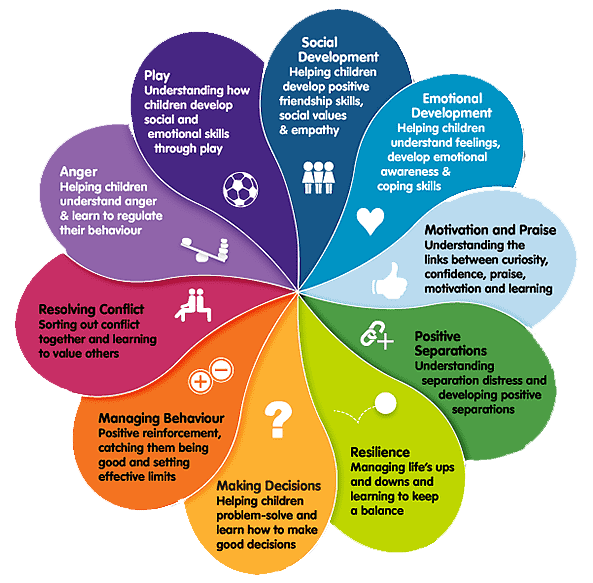
Understanding someone else starts with understanding emotions—both theirs and your own. Emotional awareness helps you recognize what someone is feeling, even when they don’t express it clearly.
Pay attention to tone, body language, and behavior. Sometimes, what a person doesn’t say is just as important as what they do say.
Being emotionally aware also means managing your own reactions. If you respond with anger or defensiveness, it becomes harder to understand each other. Staying calm and open creates a better environment for connection.
Building Trust Through Consistency
Trust is closely connected to understanding. When people trust each other, they feel comfortable sharing their thoughts and emotions openly.
Consistency plays a big role in building this trust. Being reliable, keeping your promises, and showing up when it matters helps strengthen the bond.
Over time, these actions create a sense of security. When someone feels safe with you, they are more likely to open up, which leads to deeper understanding.
Avoiding Assumptions and Misunderstandings

Assumptions are one of the biggest barriers to understanding. Many conflicts happen because people assume what the other person is thinking or feeling without actually asking.
Instead of assuming, clarify. If something feels unclear, ask politely. This simple habit can prevent unnecessary misunderstandings and improve communication.
Misunderstandings are normal in any relationship, but how you handle them makes a difference. Address issues calmly and focus on resolving them rather than blaming each other
Spending Quality Time Together
Understanding grows when people spend meaningful time together. In today’s digital world, it is easy to be physically present but mentally distracted.
Quality time means being fully present without distractions like phones or work. It allows you to connect, share experiences, and learn more about each other.
Simple activities like having a conversation, going for a walk, or sharing a meal can strengthen your connection and improve understanding.
Being Patient in the Process

Deep understanding does not develop instantly. It takes time, especially in new relationships. People open up at their own pace, and forcing conversations can have the opposite effect.
Patience allows the relationship to grow naturally. It shows that you respect the other person’s comfort level and are willing to invest time in the connection.
Over time, small efforts build a strong foundation of trust and understanding.
Handling Conflicts with Maturity
Conflicts are a natural part of any relationship. However, they can either weaken or strengthen a bond depending on how they are handled.
Instead of avoiding conflicts, use them as an opportunity to understand each other better. Stay calm, listen carefully, and focus on the issue rather than attacking the person.
Avoid using harsh words or bringing up past mistakes. Respectful communication during disagreements helps maintain trust and leads to better solutions.
The Power of Empathy
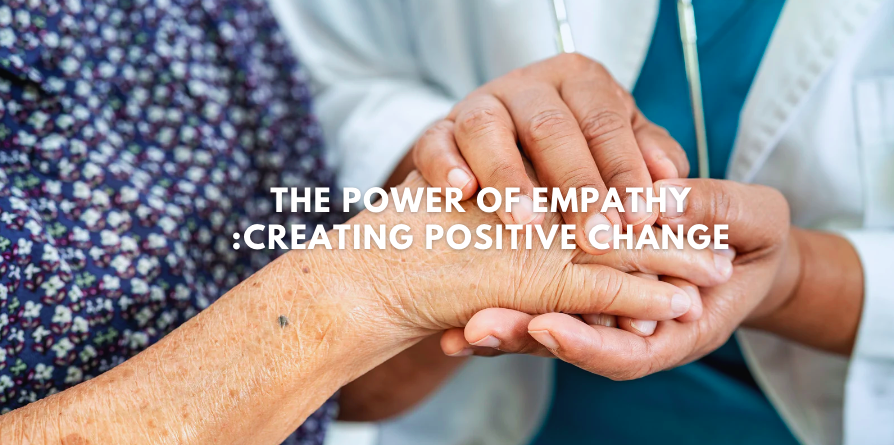
Empathy is the ability to feel and understand what someone else is going through. It is one of the most powerful tools for building deep understanding.
When you respond with empathy, you show that you care about the other person’s feelings. Even a simple response like “I understand why you feel that way” can make a big difference.
Empathy creates emotional closeness and strengthens the relationship over time.
Growing Together as Individuals
A healthy relationship allows both individuals to grow. Supporting each other’s goals, dreams, and personal development creates a positive environment.
When both people feel supported, they are more likely to share their thoughts and experiences openly. This openness leads to deeper understanding and a stronger connection.
Encouraging growth also shows that you value the other person’s individuality, which is essential for a balanced relationship.
- Proven Tips to Improve Your Daily Life in 2026

- How to Stay Mentally Strong in a Stressful World (2026 Guide)

- How to Improve Yourself Daily: Simple Steps for Big Results

- How to Build Deep Understanding in Any Relationship

- Complete Guide to Public Transport for Travelers

FAQs
1. What is deep understanding in a relationship?
Deep understanding means knowing your partner’s thoughts, emotions, and perspectives while accepting them without judgment.
2. How can I improve understanding in my relationship?
You can improve understanding by listening actively, communicating honestly, and spending quality time together.
3. Why is communication important for understanding?
Communication helps express feelings and thoughts clearly, which reduces misunderstandings and builds connection.
4. How can I avoid misunderstandings in a relationship?
Avoid assumptions, ask questions, and clarify doubts to prevent confusion and conflicts.


0 Comments