Communication is often described as the foundation of any strong relationship, yet its true power is frequently underestimated. Many people believe that simply talking is enough, but real communication goes far beyond words. It involves understanding, empathy, listening, and emotional connection. In love and relationships, communication acts as the invisible force that either strengthens bonds or slowly breaks them apart.
The hidden power of communication lies in its ability to create trust, resolve conflicts, and build deeper emotional intimacy. When used effectively, it can transform relationships, making them more meaningful and resilient.
Understanding True Communication

Communication is not just about expressing your thoughts; it is also about understanding the other person’s perspective. Many conflicts arise not because of major issues, but because of misunderstandings and lack of clarity.
True communication involves active listening, where you pay attention not only to words but also to tone, emotions, and body language. When both partners feel heard and understood, it creates a safe space where honesty can flourish.
The Role of Listening in Relationships
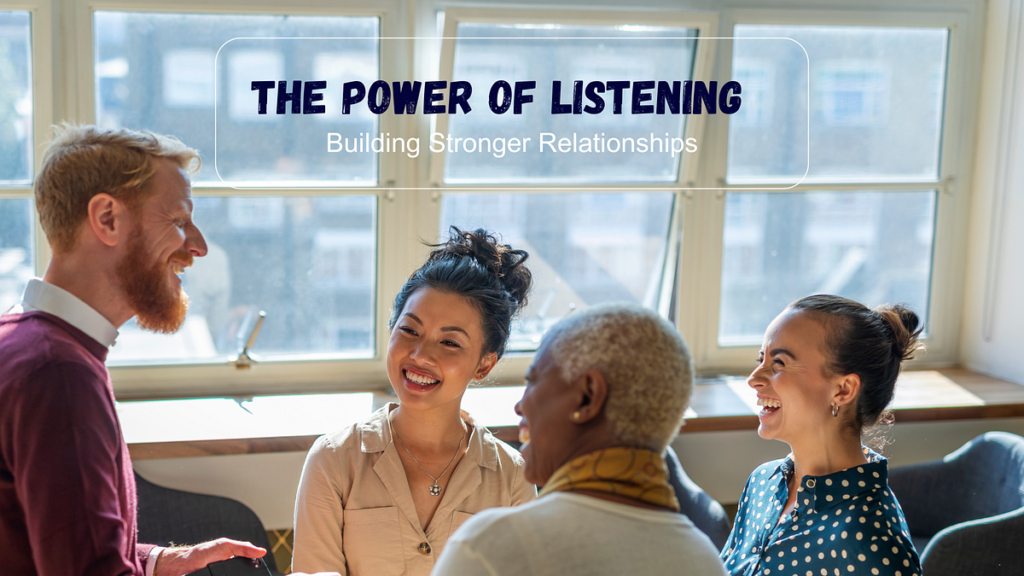
When you genuinely listen, you show respect and care for your partner’s feelings. It allows you to understand their needs, concerns, and expectations. This level of attention strengthens the emotional bond and builds trust over time.
Listening is one of the most powerful yet overlooked aspects of communication. Most people listen to respond rather than to understand. This often leads to arguments and emotional distance.
Building Trust Through Communication
Trust is not built overnight; it develops through consistent and honest communication. Being open about your thoughts and feelings helps create transparency in a relationship.
When communication is clear and honest, it reduces misunderstandings and prevents unnecessary conflicts. It also reassures both partners that they can rely on each other, which is essential for a healthy relationship.
Expressing Emotions Effectively


“Talking openly, connecting deeply.”
Many people struggle to express their emotions, which can lead to frustration and confusion. Bottling up feelings often results in sudden outbursts or emotional distance.
Effective communication involves expressing your feelings in a calm and respectful way. Instead of blaming or criticizing, focusing on your own emotions helps create understanding. This approach reduces tension and encourages a more positive response from your partner.
The Impact of Poor Communication

Poor communication can slowly damage a relationship. Misunderstandings, assumptions, and lack of clarity can create distance between partners. Over time, this can lead to resentment and emotional disconnection.
Ignoring issues or avoiding difficult conversations may seem easier in the short term, but it often makes problems worse. Addressing concerns openly helps prevent small issues from turning into major conflicts.
Non-Verbal Communication Matters
Communication is not limited to words. Non-verbal cues such as body language, facial expressions, and tone of voice play a significant role in how messages are received.
A simple gesture, eye contact, or a supportive touch can communicate more than words. Being aware of these signals helps you understand your partner better and respond more effectively.
Resolving Conflicts Through Communication

Conflicts are a natural part of any relationship. What matters is how they are handled. Effective communication allows partners to resolve disagreements in a constructive way.
Instead of focusing on winning an argument, the goal should be to find a solution that works for both people. Staying calm, listening actively, and avoiding harsh words can make a significant difference in how conflicts are resolved.
Strengthening Emotional Intimacy
Emotional intimacy is built through open and honest communication. Sharing your thoughts, fears, and dreams creates a deeper connection with your partner.
When you communicate regularly and honestly, it strengthens the bond and makes the relationship more fulfilling. Emotional intimacy allows both partners to feel valued and understood.
The Importance of Timing and Tone

How and when you communicate is just as important as what you say. Bringing up serious topics at the wrong time can lead to unnecessary tension.
Choosing the right moment and maintaining a calm tone can make conversations more productive. A respectful approach encourages openness and reduces the chances of conflict.
Growing Together Through Communication
A strong relationship requires continuous effort and growth. Communication plays a key role in this process. As individuals grow and change, open communication helps partners stay connected and aligned.
Discussing goals, expectations, and challenges allows couples to support each other and grow together. It creates a sense of partnership and shared purpose.
- Proven Tips to Improve Your Daily Life in 2026

- How to Stay Mentally Strong in a Stressful World (2026 Guide)

- How to Improve Yourself Daily: Simple Steps for Big Results

- How to Build Deep Understanding in Any Relationship

- Complete Guide to Public Transport for Travelers

FAQs
Why is communication important in relationships?
Communication helps build trust, resolve conflicts, and create emotional connection, making relationships stronger and healthier.
What are common communication mistakes in relationships?
Common mistakes include not listening properly, making assumptions, avoiding difficult conversations, and using harsh or blaming language.
How can I improve communication with my partner?
You can improve communication by listening actively, expressing your feelings clearly, and being open and honest in your conversations.
What is active listening?
Active listening means fully focusing on what your partner is saying, understanding their message, and responding thoughtfully.


0 Comments