Life often teaches us lessons in the most unexpected ways. Not every transformation comes from a big event or a major turning point. Sometimes, the most meaningful changes begin with small realizations that slowly reshape the way we think and live. This is a real-life inspired story about how a simple shift in perspective can completely change the way we experience life.
Feeling Stuck in a Normal Life



There was a phase where everything seemed normal on the outside, yet something felt missing on the inside. The daily routine was predictable—waking up, handling responsibilities, spending time on the phone, and going to bed without feeling truly satisfied. There was no major problem, but there was no real happiness either.
Like many people, there was a belief that life would feel better after achieving certain goals. The idea was to keep working, keep pushing, and eventually everything would fall into place. But instead of feeling fulfilled, the pressure kept building, and the sense of being stuck became stronger.
The Moment of Realizationcz
One quiet evening brought a moment of honesty. Sitting alone without distractions, a simple question came to mind: “Why does everything feel incomplete?” There was no clear answer, and that silence felt uncomfortable.
A few days later, while observing people during a casual walk, something changed. People were laughing, talking, and enjoying small moments without worrying about the future. That observation led to an important realization—maybe life is not only about achieving big things, but also about experiencing small moments fully.
Small Changes That Made a Big Difference
After that realization, small changes began to take place. Mornings became calmer, without immediately checking the phone. There was more time for thinking, planning, and simply being present. These small adjustments started to create a sense of control and clarity.
Another important step was reducing comparison. Constantly comparing life with others had created unnecessary pressure. Once that habit was reduced, life started to feel lighter and more personal. There was less stress and more focus on individual progress.
Changing the Way Failure Was Seen

Failure used to feel like a setback, something to avoid at all costs. But over time, that perspective changed. Mistakes were no longer seen as the end, but as a part of learning. Every failure offered a lesson, and those lessons made future decisions stronger.
Accepting failure removed a lot of fear. It became easier to take risks and try new things without constantly worrying about the outcome.
Learning to Live in the Present

One of the most powerful changes was learning to focus on the present moment. Earlier, life always felt like it was waiting somewhere in the future—after success, after progress, after everything was “perfect.”
But when attention shifted to the present, even ordinary moments became meaningful. A simple walk, a quiet evening, or a genuine conversation started to feel valuable. Life no longer felt like a race, but more like a journey to be experienced step by step.
The Impact on Relationships

“Planning today for a better tomorrow.”
As the mindset changed, relationships also improved. Being more present and attentive made conversations more real and meaningful. It was no longer about impressing others, but about understanding and connecting with them.
Spending time with positive and supportive people also helped in maintaining a better outlook on life. The environment became more encouraging, which made personal growth easier.
A New Way of Looking at Life
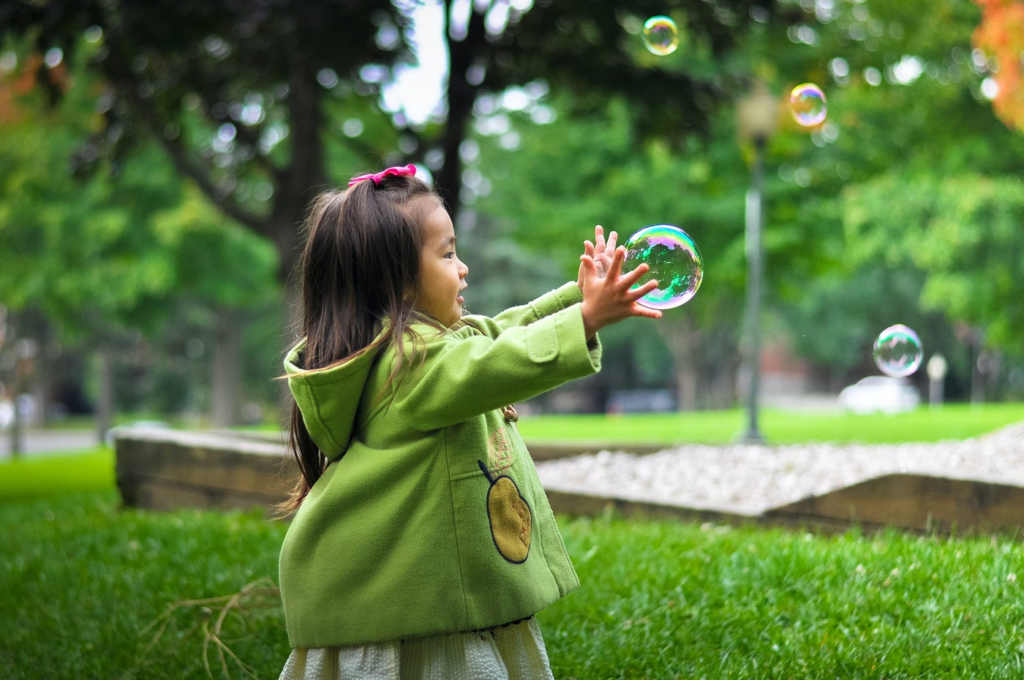
Over time, it became clear that nothing major had changed externally. The same life, the same responsibilities, and the same surroundings were still there. But internally, everything felt different.
There was more peace, more clarity, and a better understanding of what truly matters. Life did not become perfect, but it became easier to handle and more enjoyable to live.
FAQS
1.What is a real life story example?
A real life story example is a personal or realistic experience that reflects common struggles, growth, or lessons that people can relate to and learn from.
2.Why are life stories important?
Life stories help people connect emotionally, learn valuable lessons, and gain new perspectives on challenges and success.
3.How can a life story change your perspective?
A life story can shift your thinking by showing different ways to handle problems, helping you see situations with more clarity and understanding.
4.What lessons can we learn from real life stories?
Real life stories often teach patience, resilience, self-awareness, and the importance of staying positive during difficult times.



0 Comments