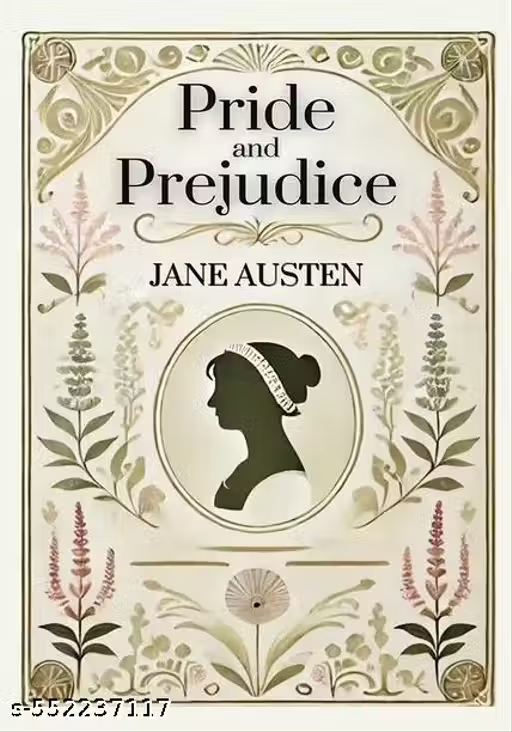
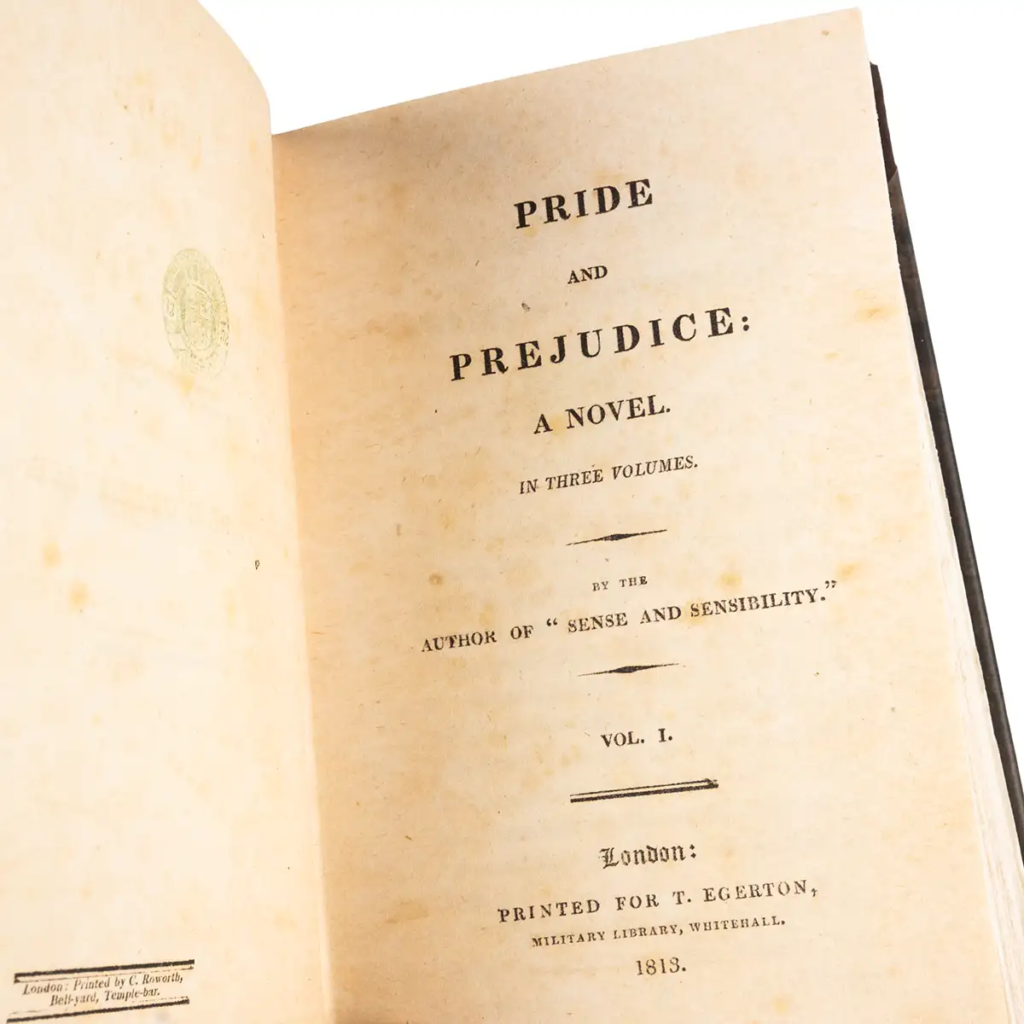
More than two centuries after its quiet publication in 1813, Jane Austen’s Pride and Prejudice remains one of the most beloved novels in the English language. It has spawned countless adaptations, retellings, and academic studies, yet its original charm remains undimmed. On its surface, the book tells a familiar story: a clever young woman from a modest family clashes with a rich, aloof aristocrat, only to discover that first impressions are dangerously deceptive. But to reduce Pride and Prejudice to a simple romance is to miss its true genius. Austen wrote a novel of manners, a sharp social satire, and a profound psychological study of how two proud people learn to see themselves—and each other—clearly.
The World of Longbourn and Netherfield
The novel opens with what is arguably the most famous sentence in English literature: “It is a truth universally acknowledged, that a single man in possession of a good fortune, must be in want of a wife.” With this ironic flourish, Austen immediately signals her intention. The “truth” is not universal at all; it is the obsessive belief of characters like Mrs. Bennet, a mother desperate to marry off her five daughters. The Bennets live at Longbourn, a modest estate that is “entailed” to a male heir, Mr. Collins. This legal detail is crucial: upon Mr. Bennet’s death, his wife and daughters will be left with almost nothing. The hunt for wealthy husbands is not mere vanity; it is a matter of survival.
When the wealthy Mr. Bingley rents Netherfield Park, the neighborhood erupts with excitement. He arrives with his haughty friend, Mr. Fitzwilliam Darcy, and his two fashionable sisters. At the Meryton ball, Bingley is immediately taken with the eldest Bennet daughter, the gentle and beautiful Jane. Darcy, however, refuses to dance, declaring Elizabeth Bennet “tolerable, but not handsome enough to tempt me.” Elizabeth overhears him and, with characteristic wit, decides to laugh at him rather than weep. This single moment of wounded pride plants the seed of her prejudice.
“In vain I have struggled. It will not do. My feelings will not be repressed. You must allow me to tell you how ardently I admire and love you.”
— Mr. Darcy
The Anatomy of Pride and Prejudice
The novel’s title is not merely a label for its two protagonists; it is a diagnosis of their respective flaws. Mr. Darcy’s pride is genuine but complicated. He comes from one of the wealthiest families in England, owns the magnificent estate of Pemberley, and moves in the highest circles. His pride is rooted in class, tradition, and a genuine sense of honor. Yet it manifests as cold arrogance, disdain for those beneath him, and a ruthless honesty that wounds deeply. When his friend Bingley falls in love with Jane Bennet, Darcy convinces him to leave because he believes the Bennet family is vulgar and unworthy. This act, which Darcy sees as protecting his friend, is the height of class snobbery.
Elizabeth Bennet’s prejudice is equally dangerous, though more sympathetic. She is witty, observant, and fiercely independent. Unlike her mother or younger sisters, she values intelligence and character over wealth and status. However, her quick judgment becomes her blind spot. When she meets the charming and handsome Mr. Wickham, a militia officer who claims Darcy cheated him out of an inheritance, she believes him instantly. Wickham’s easy manners and good looks confirm everything Elizabeth wants to believe about Darcy: that he is cruel, unjust, and arrogant. She never pauses to verify Wickham’s story. Her pride in her own judgment makes her incapable of revising it.
The Turning Point: Hunsford and the Letter
The novel’s emotional center occurs at the parsonage of Mr. Collins, the obsequious clergyman who married Elizabeth’s best friend, Charlotte Lucas. There, Elizabeth visits Lady Catherine de Bourgh, Darcy’s terrifyingly entitled aunt. Darcy, visiting his aunt, finds himself unable to stay away from Elizabeth. In one of literature’s most disastrous marriage proposals, he confesses his love—but does so while insulting her family, her social standing, and her connections. He asks her to marry him as if conferring a great favor.
Elizabeth’s rejection is magnificent. She accuses him of destroying Jane’s happiness, of mistreating Wickham, and of behaving in an “ungentlemanlike” manner. Darcy, stunned, withdraws. The next morning, he delivers a letter. In it, he reveals the truth: Wickham is a liar and a scoundrel who attempted to elope with Darcy’s young sister to claim her fortune. As for Jane, Darcy admits he believed she did not truly love Bingley, but he also confesses he was motivated by his disgust at the behavior of Mrs. Bennet and the younger sisters.
This letter is the novel’s turning point. Elizabeth reads it once in anger, twice in doubt, and a third time in shame. “She grew absolutely ashamed of herself,” Austen writes. “Of neither Darcy nor Wickham could she think without feeling that she had been blind, partial, prejudiced, absurd.” In this moment, Elizabeth Bennet begins her true education.
The Journey to Pemberley and Self-Knowledge
Elizabeth’s visit to Pemberley, Darcy’s ancestral estate, is one of Austen’s most brilliant set pieces. She arrives believing Darcy to be away, prepared to admire his house while despising its owner. Instead, she discovers that Pemberley is not a cold palace but a place of taste, harmony, and natural beauty. The housekeeper speaks of Darcy not as a proud aristocrat but as a kind, generous master who treats his servants with respect and adores his younger sister. For the first time, Elizabeth sees Darcy through the eyes of those who know him best. When Darcy unexpectedly arrives and behaves with perfect civility—even inviting her uncle and aunt to fish on his grounds—Elizabeth’s heart begins to change.
The crisis comes swiftly. News arrives that Lydia, the youngest and wildest Bennet sister, has eloped with Wickham. In Regency England, this is a disaster: the family’s reputation is ruined, and all hopes of respectable marriages for the other daughters vanish. Elizabeth returns home in despair, certain that Darcy will now despise her family forever. Instead, Darcy acts in secret. He finds the couple, pays Wickham an enormous sum to marry Lydia, and arranges everything with complete discretion. He does this not for gratitude but because he loves Elizabeth.

The Final Harmony
When Darcy returns to Longbourn with Bingley (who finally proposes to Jane), Elizabeth’s feelings have transformed completely. Yet she still doubts whether Darcy could love her after her family’s disgrace. Lady Catherine de Bourgh inadvertently resolves the problem. Furious at rumors of an engagement, she arrives at Longbourn and demands that Elizabeth promise never to marry Darcy. Elizabeth refuses. Lady Catherine rushes to Darcy to report this insolence, and Darcy realizes that Elizabeth’s defiance means she has changed her mind about him. He proposes again, this time with humility and tenderness. Elizabeth accepts.
The novel ends with two happy marriages: Jane and Bingley’s gentle, untroubled union, and Elizabeth and Darcy’s hard-won partnership of equals. Both have been humbled. Darcy learned to value character over class. Elizabeth learned that first impressions are not final judgments. “They were both ever sensible of the warmest gratitude,” Austen writes, “and the more they saw of one another, the more they felt the impossibility of ever losing their regard for each other.”
Why It Endures
Pride and Prejudice endures because it is not a fantasy but a truth. Love, Austen argues, does not conquer all. But humility, honesty, and the courage to revise one’s judgment can. Elizabeth and Darcy earn their happiness not because they are perfect but because they are willing to change. In a world of superficial appearances and mercenary marriages, they find something rare: a partner who sees them as they truly are. That is why, two hundred years later, we still close the book with a sigh of satisfaction. It is, quite simply, one of the most perfect novels ever written.
“In the end, Austen teaches us that love is not about finding a perfect person, but about seeing an imperfect person perfectly.”



0 Comments